

In a fiercely competitive business environment, small and medium-sized enterprises often face the challenge of limited resources. Professional OEM manufacturing has become a solution, helping businesses reduce costs and improve efficiency. This strategy allows SMEs to focus on core business while ensuring product quality.
This article explores how OEM manufacturing creates value for SMEs. We analyze the concept of OEM manufacturing, its advantages, and the key factors in selecting an OEM manufacturer. Through deeper understanding, businesses can make informed decisions and enhance their competitiveness.
Definition and Concept of OEM Manufacturing
OEM manufacturing refers to one company having another specialized manufacturer produce its products. This allows the company to focus on design and marketing while leveraging the OEM manufacturer's professional production capabilities.
OEM models are primarily divided into two categories:
- Original Equipment Manufacturer (OEM): Produces products according to the client's design and specifications
- Original Design Manufacturer (ODM): Participates in both the design and production of products
Companies can leverage the OEM manufacturer's expertise and advanced equipment to produce high-quality products.
| OEM Type | Characteristics | Suitable For |
|---|---|---|
| OEM | Produces to client specifications | Companies with independent design capabilities |
| ODM | Participates in design and production | Companies needing design support |
Choosing the right OEM model is important for businesses. It affects production efficiency, costs, product quality, and market competitiveness. Therefore, companies need to carefully evaluate their own needs and capabilities when selecting an OEM model.
Production Challenges Facing SMEs
SMEs encounter many challenges during the production process. Insufficient funding is one of the main issues, affecting their ability to purchase equipment or expand production. Human resource shortages are also a major challenge, especially in recruiting and retaining professional talent.
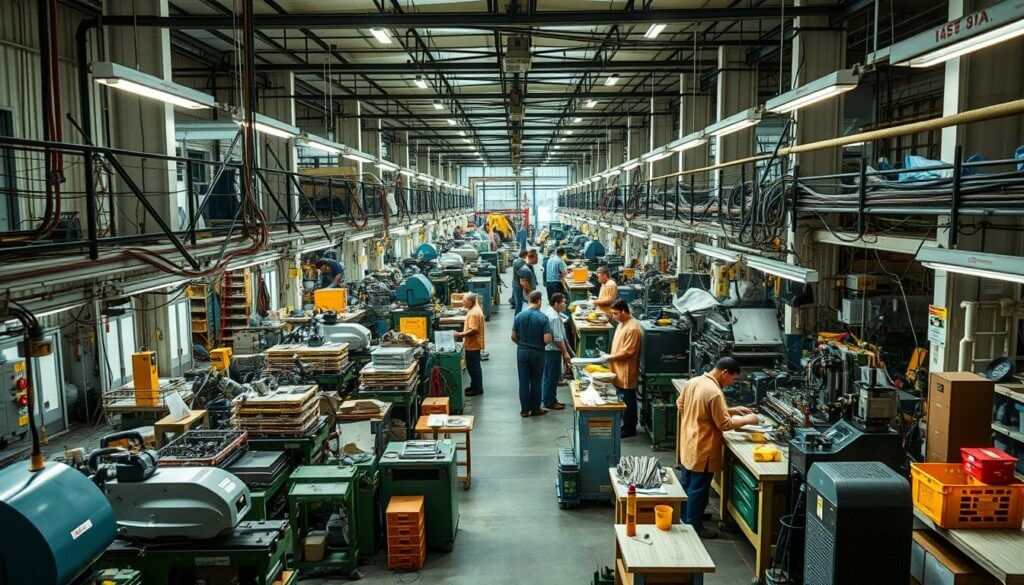
Intense market competition makes it difficult for SMEs to maintain competitiveness.
| Production Challenge | Impact | Possible Solutions |
|---|---|---|
| Insufficient Funding | Unable to purchase equipment or expand scale | Seek financing or partners |
| Human Resource Shortage | Low production efficiency | Employee training, improved benefits |
| Raw Material Cost Fluctuations | Unstable profits | Long-term contracts, diversified suppliers |
| Insufficient Technological Innovation | Declining product competitiveness | R&D investment, university partnerships |
| Difficulty in Quality Control | Rising product defect rates | Quality management systems, outsourced testing |
Facing these challenges, many SMEs are beginning to consider OEM manufacturing. This can reduce costs and improve efficiency and quality. The next section will explore the advantages of professional OEM manufacturing for SMEs in detail.
Advantages of Professional OEM Manufacturing
Professional OEM manufacturing offers significant benefits for SMEs. First, it enables the production of high-quality products. This not only improves product competitiveness but also meets customers' high standards.
Second, this model can significantly reduce fixed costs. SMEs do not need to invest heavily in production lines and equipment, nor spend heavily on hiring. This allows businesses to allocate funds to more important areas, such as business development and market expansion.
Professional OEM manufacturing can also help businesses rapidly develop new products. OEM manufacturers have extensive production experience and expertise, enabling them to help businesses quickly launch new products and enhance competitiveness.
- Improved product quality
- Reduced fixed costs
- Increased production flexibility
- Shortened product development cycles
Overall, professional OEM manufacturing provides SMEs with an efficient, low-risk production method. It allows businesses to focus on branding and market expansion, gaining an edge in fierce market competition.
Specific Ways to Reduce Costs
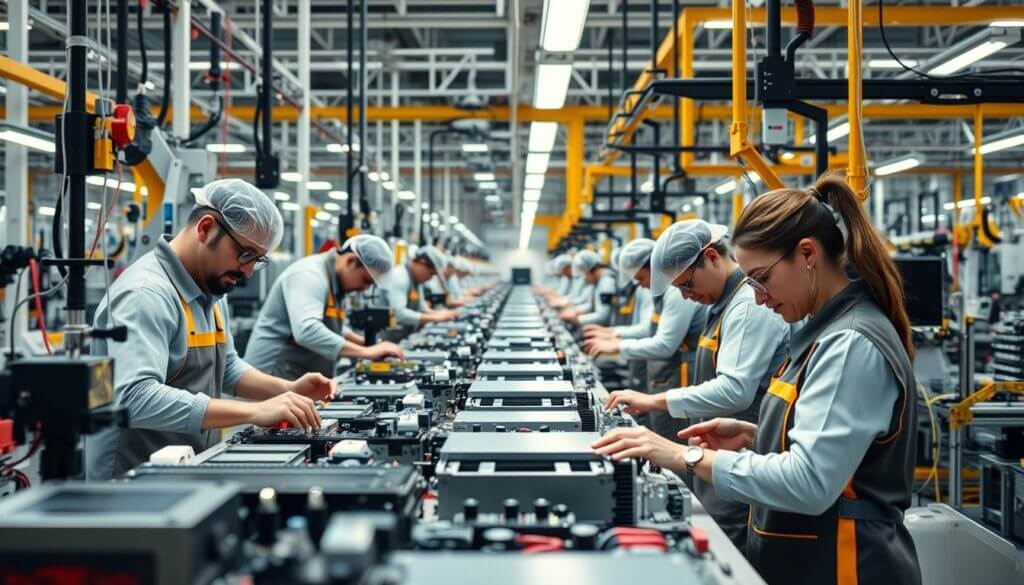
Furthermore, OEM manufacturing allows SMEs to concentrate on core business areas, such as design, marketing, and customer service. This not only improves operational efficiency but also indirectly reduces costs. Additionally, the OEM model helps businesses quickly respond to market changes, avoiding losses from insufficient or excess capacity.
- Reduced fixed asset investment
- Lower raw material procurement costs
- Improved production efficiency, reduced waste
- Concentrated resources on core business
- Improved market responsiveness
In summary, professional OEM manufacturing provides SMEs with an efficient, flexible, and economical production method. It helps maintain cost advantages in fierce market competition.
Key Factors for Improving Efficiency
Professional OEM manufacturing not only reduces costs but can also significantly improve enterprise efficiency. OEM manufacturers possess advanced equipment and extensive technical expertise, enabling them to complete tasks quickly. Their optimized production lines can handle multiple orders simultaneously, shortening delivery times.
Additionally, OEM manufacturers have well-established supply chain networks, enabling rapid raw material procurement and preventing production interruptions.
| Efficiency Factor | Specific Performance |
|---|---|
| Professional Equipment | High-speed production lines increase output |
| Automation Technology | 24-hour operation, reduced human errors |
| Lean Production | Optimized processes, reduced resource waste |
| Supply Chain Management | Rapid procurement, prevents production interruptions |
Through professional OEM manufacturing, SMEs can focus on core business such as design and marketing. This improves overall operational efficiency. This strategy helps businesses maintain their competitive edge.
Impact of OEM Manufacturing on Quality Control
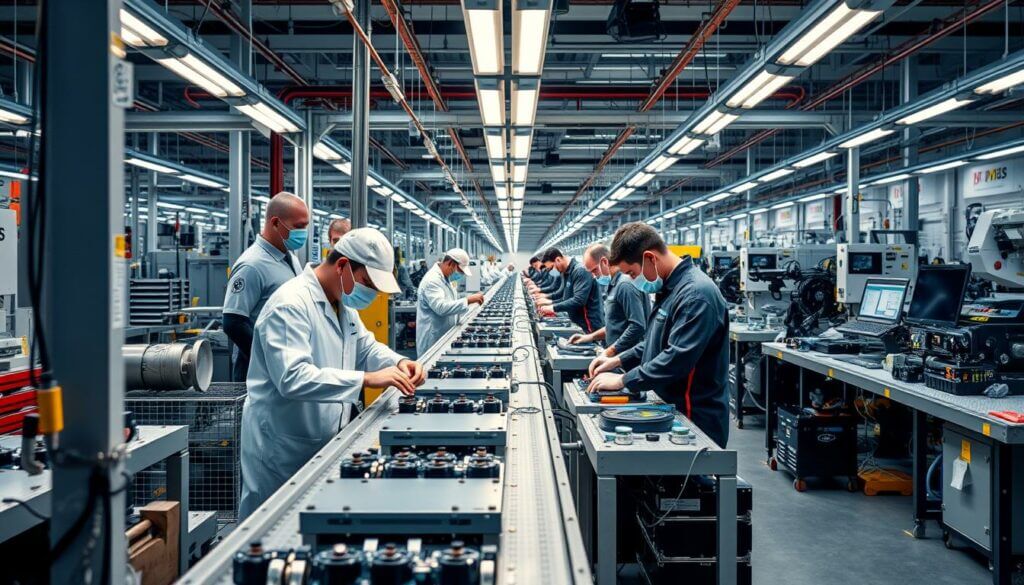
| Quality Control Measure | Benefits | Challenges |
|---|---|---|
| Regular On-site Audits | Direct understanding of production conditions | Requires investment of time and personnel |
| Establishing Quality Management Systems | Standardized quality control processes | Higher initial setup costs |
| Conducting Sample Inspections | Timely detection of quality issues | Cannot guarantee 100% quality |
Overall, while OEM manufacturing may present quality control challenges, businesses can still ensure product quality through appropriate management measures. Choosing a reliable OEM partner and establishing effective quality management mechanisms are key.
Considerations for Choosing the Right OEM Manufacturer
Finally, considering the manufacturer's reputation and stability is crucial. Review their financial status and industry reputation to ensure the possibility of long-term collaboration. Choosing a stable and reliable manufacturer will bring long-term benefits to your business.
Conclusion
Professional OEM manufacturing is extremely important for SMEs. It can help reduce costs and improve efficiency. Businesses can focus on core activities such as product design and marketing.
Choosing the right OEM manufacturer is critical. Businesses should consider the manufacturer's production capabilities, quality control, and industry reputation. A good partnership ensures product quality and on-time delivery.
Overall, professional OEM manufacturing provides SMEs with a powerful tool. It can optimize cost structures and production processes while maintaining product quality. As the global market evolves, this production model will be an important strategy for SME success.