

Have you ever imagined that with the transformation of technology, even the ancient art of printing could undergo a disruptive innovation? A recent silicone printing invention is a prime example of revolutionizing the printing world. Incorporating highly elastic materials, this printing technology not only offers outstanding flexibility but also opens up possibilities for diverse applications. Imagine — from heat-resistant industrial parts to soft medical implants — silicone printing technology can provide innovative and reliable solutions.
Key Takeaways
- The silicone printing invention has opened new horizons in printing, surpassing the limitations of traditional methods.
- New highly elastic materials make products more durable, adapting to various complex applications.
- Silicone printing technology is particularly suited for manufacturing products requiring customization and high-performance specifications.
- Practical applications across diverse fields have proven that silicone printing technology is a trend with significant development potential.
- Continuously evolving printing technology has broken through the constraints of traditional manufacturing, bringing innovation to all industries.
Introduction to the Importance and Applications of Silicone Printing
With the increasingly widespread **silicone printing applications**, this **next-generation printing technology** has become an indispensable part of modern industry. Silicone itself possesses outstanding physical and chemical properties — such as high-temperature resistance, low-temperature resistance, excellent electrical insulation, and stability under varying environmental conditions — making it widely applied in the field of **flexible material innovation**.
In the automotive electronics industry, silicone printing technology enables circuit boards and sensor components to exist in flexible forms, thereby improving space utilization while ensuring reliable connections. Additionally, in the medical field, such as cardiovascular implants and other medical devices, silicone's biocompatibility enables the production of safe and comfortable medical products.
Durability and flexible design have also made silicone printing the material of choice for flexible electronics and wearable devices. This technology allows engineers to break through design barriers, bringing entirely new product solutions to all industries. The following table shows application examples of silicone printing across different industries:
| Industry | Application Examples | Material Advantages |
|---|---|---|
| Automotive Electronics | Dashboard circuit printing, sensor components | Good flexibility, high-temperature resistance |
| Medical Devices | Cardiovascular implants, surgical instruments | Biocompatibility |
| Wearable Technology | Smart watch bands, health tracking devices | Comfort, skin conformity |
It is precisely because of these properties of silicone that these industries are actively seeking ways to better integrate silicone printing technology into product design and manufacturing processes to meet customers' growing demands for diversification and high performance.
Comparison Between Silicone Printing Technology and Traditional Printing Methods
When exploring innovations in printing technology, you will find that **silicone printing technology** offers clear improvements in many areas where **traditional printing falls short**. Many industries are leveraging this printing technology advancement to maximize the flexibility and efficiency of their production lines.
Compared to traditional printing methods such as injection molding and silicone casting, the **advantages of silicone printing** lie in its ability to produce customized parts in less time and at lower cost. This represents a tremendous advancement, especially for small-batch production that requires rapid response to market changes and customer demands.
For a more intuitive understanding of the differences between silicone printing and traditional printing, here is a comparison table:
| Feature | Silicone Printing Technology | Traditional Printing Technology |
|---|---|---|
| Production Cost | Lower, as no expensive molds are needed | Higher, as specialized mold manufacturing is required |
| Delivery Speed | Fast, able to meet market demands immediately | Slower, as mold manufacturing and setup require time |
| Design Flexibility | High, designs can be easily modified | Low, design changes require re-manufacturing molds |
| Small-Batch Production Suitability | Excellent, ideal for customization needs | Poor, as high mold costs make it difficult to adapt |
When exploring suitable printing methods, considering that **silicone printing technology** not only provides greater design freedom but also saves significant investment costs in terms of economic benefits, it becomes a powerful tool for driving your business forward.
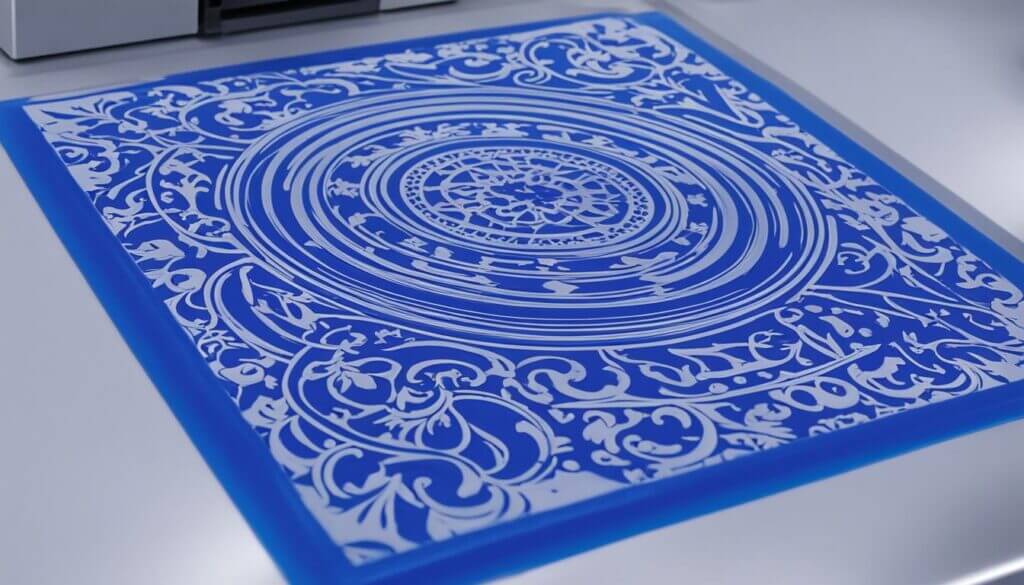
Applications of Silicone Resin 3D Printing in the Automotive Industry
With the unstoppable momentum of 3D printing development, automotive industry printing technology is undergoing an innovative revolution. Among these, silicone resin applications in 3D printing technology have demonstrated outstanding potential in the automotive industry, particularly in producing durable, high-precision automotive parts.
Facing supply chain disruptions and difficulty obtaining vintage car parts, HGM Automotive Electronics adopted silicone resin for 3D printing to solve these challenges. The 40A hardness silicone resin they selected performed excellently in producing automotive connector seals, capable of withstanding prolonged exposure to extreme environments while also exhibiting outstanding chemical resistance and mechanical properties.
Here is how this technology has transformed automotive parts manufacturing:
| Technical Feature | Traditional Manufacturing Method | Silicone Resin 3D Printing |
|---|---|---|
| Design Freedom | Limited by mold design | Virtually unlimited |
| Prototype Iteration Speed | Takes weeks to months | Can be completed in days |
| Cost Efficiency | Higher startup costs | Suitable for small-batch production |
| Durability | Limited by material selection | Silicone resin offers superior durability |
| Production Cycle | Long production cycles | Rapid response to market changes |
As shown in the table above, silicone resin 3D printing technology holds significant advantages over traditional manufacturing methods across multiple key indicators. Is your business also ready to embrace this industrial manufacturing revolution and fully leverage the opportunities that silicone resin 3D printing brings?
How Silicone Printing Technology is Disrupting Automotive Parts Manufacturing
With the continuous advancement of parts manufacturing innovation, the impact of silicone printing technology has begun to manifest, especially in the field of vehicle parts printing. This technology not only increases production flexibility and modularity but also reduces costs and improves efficiency — all critical for meeting ever-changing market demands.
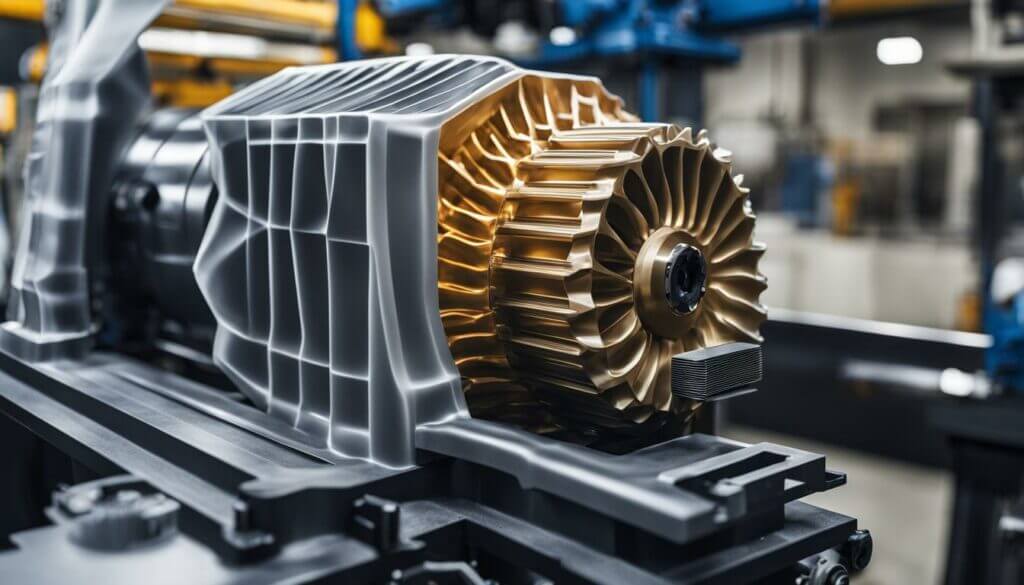
Silicone printing refers to the processing using silicone materials, capable of producing high-performance components suitable for the automotive industry. These components include sealing rings, hoses, and vibration dampening pads — all essential elements in automotive manufacturing.
| Traditional Manufacturing Features | Silicone Printing Manufacturing Features |
|---|---|
| High mold costs | No expensive molds required |
| Long production cycles | Rapid prototyping and production |
| Design changes are time-consuming and labor-intensive | Instant design adjustments |
| Large-batch production to reduce unit costs | Economically viable even for small batches |
| Greater material and energy waste | Precise material usage, energy savings |
This innovative approach to parts manufacturing not only demonstrates exceptional flexibility during the product development phase but also significantly saves materials and time during production, enabling automotive manufacturers to quickly respond to market changes and enhance the competitiveness of their vehicle products.
Enhancing the Flexibility and Durability of Silicone Printing Technology
When we discuss highly elastic silicone applications, advancements in 3D printing technology mean more than just faster and more economical production processes. One of the more noteworthy improvements is the significant enhancement of product durability. Silicone is widely recognized as a highly elastic material, but its durability should not be overlooked either.
Particularly worth mentioning is the 40A silicone resin, which exhibits high tear strength and flexibility — properties that are extremely important in applications such as automotive parts that require long-term stability and maintained performance in harsh environments. Especially under extreme temperatures, pressures, and chemical exposure, the importance of material reliability is self-evident.
Enhanced durability means not only a longer service life but also reduced maintenance and replacement needs throughout the product lifecycle, saving users and manufacturers additional costs and providing higher economic benefits.
The following table details the durability improvements of highly elastic silicone in 3D printing technology:
| Material Property | 40A Silicone Resin | Traditional Silicone Material |
|---|---|---|
| Tear Strength | High | Moderate |
| Flexibility | Excellent | Good |
| Extreme Environment Resistance | Suitable | Not recommended |
| Operating Lifespan | Long | Average |
Therefore, whether you are looking for durable and reliable materials to reduce maintenance frequency or to reduce ever-increasing material costs in production, highly elastic silicone with its superior durability undoubtedly provides a brand-new option for you in 3D printing technology.
The Importance of Silicone Material Selection and Testing Methods
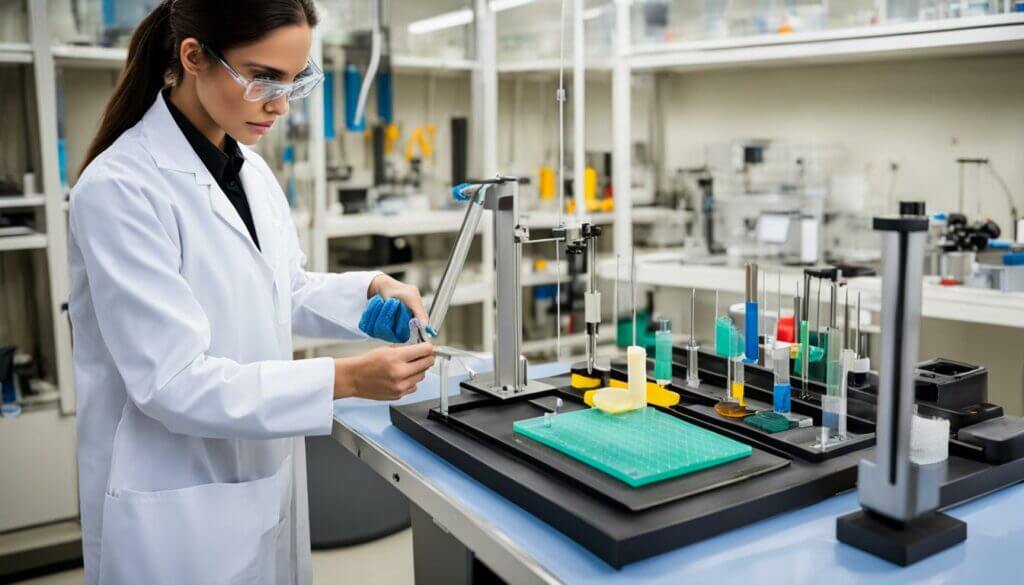
In today's rapidly developing manufacturing industry, material selection is so critical that it directly affects product performance and market competitiveness. The selection of high-performance silicone, particularly in silicone printing applications, is a significant technical decision. To ensure the selected material has optimal adaptability for required specifications, we must make precise evaluations based on a series of scientific silicone testing standards.
High-performance silicone materials, through their outstanding temperature resistance, chemical corrosion resistance, and high elasticity, provide products with long-lasting flexibility and durability. Verification of these properties requires rigorous testing processes, including but not limited to tensile tests, tear tests, and compression set tests, to ensure silicone performs at its best in specific working environments.
| Test Item | Purpose | Related Standard |
|---|---|---|
| Tensile Strength Test | Evaluate silicone's tensile resistance | ASTM D412 |
| Tear Strength Test | Determine material durability in environments where tearing may occur | ASTM D624 |
| Compression Set Test | Check silicone's ability to maintain shape under compression | ASTM D395 |
| Chemical Resistance Test | Determine silicone material's resistance to chemical substances | ISO 1817 |
It is important to note that each silicone material has unique properties and uses, and the correct selection should be based on the specific requirements of your project. A detailed test report can help you understand the performance characteristics of different materials, enabling you to make the most suitable choice. Therefore, when selecting a silicone product supplier, do not forget to inquire about their testing standards and product certifications — this is of undeniable importance for ensuring your product quality.
Case Study: HGM Leveraging Silicone Resin Advantages for Seal Design
In the automotive electronics industry, the quality of seals has a critical impact on the overall performance of connectors. **HGM Automotive Electronics** demonstrated how to effectively address production challenges through the **advantages of silicone printing**. Using 40A hardness silicone resin, they not only solved the problems of high costs and long production cycles but also drove design innovation, setting new standards for connector seal design.
HGM seals produced using silicone printing technology exhibit outstanding mechanical properties and chemical stability, characteristics that set HGM apart in the market. Here are some important findings from the **case study** of HGM silicone seals:
| Feature | HGM Silicone Seals | Traditional Seals |
|---|---|---|
| Production Time | Fast | Slower |
| Design Flexibility | High | Low |
| Cost Efficiency | Efficient | Inefficient |
| Performance | Durable and stable | Average |
Beyond the comparisons above, HGM also successfully addressed the design challenges of complex geometries, proving that the **advantages of silicone printing** offer unparalleled benefits in precise detail construction. Through this technology, HGM was able to produce highly customized products to meet the market's growing demand for high-performance automotive parts.
This **case study** clearly demonstrates how silicone printing technology shines in automotive industry applications. HGM's success not only enhanced the market competitiveness of their products but also provided the entire industry with a new paradigm for moving toward innovation and efficiency.
From Material to Finished Product: Reviewing the Entire Silicone Printing Production Process
When we delve deeper into the complete production process review of silicone printing technology, we discover that every step of the material-to-finished-product conversion is filled with demands for precision and efficiency. You will see that every detail of the production process is carefully considered to ensure the final product meets extremely high standards.
Selecting the right silicone material is the critical first step in this process. High-quality silicone raw materials can demonstrate outstanding silicone printing efficiency in subsequent processes, as well as consistency in product performance. Subsequently, precise 3D printing technology allows rapid conversion from digital designs into tangible silicone components — a process that is both fast and accurate.
The final stage of silicone printing includes testing and inspection. At this stage, the production team conducts a series of rigorous quality control measures to ensure the batch's product performance meets specific application requirements. From tear resistance to heat resistance, every property is precisely inspected to confirm the quality of the finished materials.
Cost-Benefit Analysis: The Economic Advantages of Silicone Printing
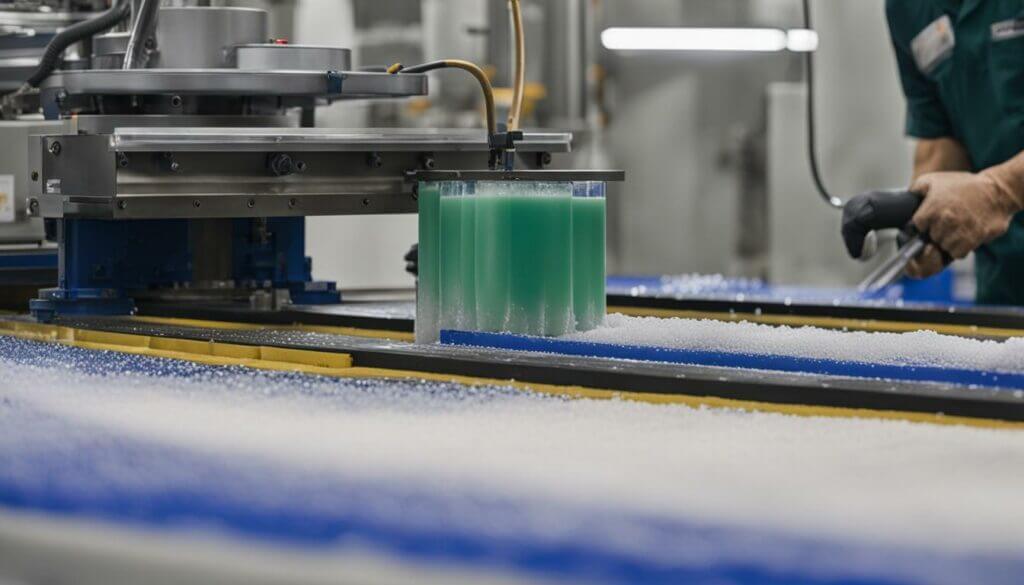
When we carefully examine the cost-benefit analysis of silicone printing technology, we find that it provides undeniable economic advantages in the manufacturing industry. Particularly in the 3D printing field, the use of silicone resin can significantly save production costs while also accelerating production cycles for faster delivery. Statistics indicate that compared to traditional processes, adopting silicone printing can generate remarkable economic benefits.
| Process | Cost Savings | Time Savings |
|---|---|---|
| Silicone 3D Printing | Up to 98% | Approximately 90% |
| Traditional Injection Molding | — | — |
The table above shows that using silicone printing not only reduces material and labor inputs but also dramatically shortens the time from design to final product. For businesses that need to quickly respond to market changes and produce varied small-batch products, this is an invaluable competitive advantage. Is your business also looking for similar opportunities to improve economic efficiency?
Chemical and Mechanical Property Testing of Silicone Resin
When discussing silicone resin testing, you may be concerned about the accuracy and comprehensiveness of testing, which is crucial for ensuring product quality assurance. Whether silicone resin's chemical and mechanical performance can meet the industry's strict standards for reliability and durability becomes a critical factor.
Taking the automotive industry as an example, silicone resin applications range from shock absorbers to seals and various other parts. Its chemical corrosion resistance and high-temperature performance make it an indispensable material choice. Moreover, silicone resin's **chemical and mechanical properties** must also possess sufficient flexibility and rigidity to meet the diverse applications in working environments.

From practical test results, silicone resin has not only demonstrated excellent chemical resistance, but its exceptional flexibility and enhanced processability are comparable to traditionally cast or injection-molded silicone. This result not only proves silicone resin's high stability when facing chemical solvents, humid environments, and other harsh conditions but also provides solid evidence of its reliability under high-frequency vibrations and prolonged load pressures.
Unlocking the Possibilities of the Silicone Printing Market
When we discuss silicone printing applications, we might think of its critical role in medical devices, automotive accessories, and flexible electronic equipment. However, these are just the tip of the iceberg. As the influence of innovative technology continues to expand, market potential development seems increasingly boundless. Silicone's high moldability and enduring durability ensure it plays an indispensable role in continuous innovation and industry breakthroughs.
From precision engineering to everyday consumer products, silicone printing technology is changing the way designers and manufacturers view materials and production processes. This leading technology is no longer just about providing tailor-made solutions for specific products — it is also brimming with possibilities for creating entirely new user experiences and functionalities.
The following table highlights application examples of silicone printing technology across different industries and the impact they bring:
| Industry | Application Examples | Impact |
|---|---|---|
| Medical Healthcare | Implantable medical devices | Enhanced device comfort and functionality |
| Automotive Manufacturing | Interior and exterior seals | Improved accessory wear resistance and long-term performance |
| Consumer Electronics | Smartphone protective cases | Created more durable, stylish product options |
| Aerospace | Sealing components and protective covers | Ensured equipment operational safety under extreme conditions |
As we can see, the use of silicone printing technology is expanding. As time progresses and more industries begin to recognize the value of this technology, we can anticipate even more remarkable innovations and applications emerging in the future.
Enterprises Adopting the Latest Silicone Printing Technology — Case Sharing
When it comes to the practical application of innovative technology, real-world cases provide powerful testimony and inspiration. In the enterprise case sharing we discuss, you will see how HGM Automotive Electronics revolutionized its manufacturing process by adopting disruptively innovative innovative printing technology practices.
The company effectively addressed the challenges of high customization demands and precision parts manufacturing by utilizing silicone resin 3D printing technology. This technology application study particularly emphasizes how silicone printing improves production efficiency and cost-effectiveness while achieving greater design flexibility.

Furthermore, through this technology, HGM Automotive Electronics demonstrated how to gain market competitive advantages while fulfilling environmental protection and sustainable development corporate responsibilities. Their success story is admired by businesses in other fields, especially those seeking to innovate their manufacturing processes.
By examining these battle-tested cases, you can not only appreciate the powerful potential of silicone printing technology but also gain insights into how this technology can be practically applied to improve and optimize current manufacturing processes.
Breaking Through Technical Limitations: Exploring the Future Development of Silicone Printing Technology
As a professional, you are certainly no stranger to the term technology development outlook, especially in the field of silicone printing innovation. Silicone printing technology is advancing toward limitless future potential, opening new possibilities for all industries. Let us explore how this technology is breaking through past limitations, carrying bold visions for future domains.
When we discuss the diverse applicability of silicone printing technology, it is easy to see that the combination of advances in materials science and 3D printing technology has enabled operating modes and domains to break through traditional frameworks. From medical devices to automotive parts, from personal care products to industrial equipment — all are part of this technological evolution.
The progress of silicone printing technology extends beyond optimizing production efficiency and costs. More importantly, it provides a sustainable development solution that follows global environmental protection trends, maximizing material utilization and minimizing waste.
| Item | Traditional Technology | Silicone Printing Technology |
|---|---|---|
| Material Usage | Limited applicability | Widely diverse |
| Production Speed | Slower, highly restrictive | Fast, highly adaptable |
| Design Flexibility | Low | High |
| Sustainability | Lower | High, aligned with eco-friendly trends |
We have witnessed the trajectory of silicone printing technology over the past few years, and the truly exciting aspect lies in the various possibilities looking ahead. As new iterations of 3D printing equipment and more diverse silicone materials are developed, this technology is expected to further conquer unexplored markets and unlock the keys to more innovative applications.
As an industry expert, you will have the opportunity to personally participate in and drive this revolution. Now is the time to look to the future, expand your business horizons, and ride the wave of silicone printing innovation.
Conclusion
In the summary of this article, we will review the role and impact of silicone printing technology in contemporary manufacturing. In summary, you have witnessed how silicone printing technology provides a new manufacturing pathway that combines physical and chemical properties, profoundly impacting product design, manufacturing, and performance.
In reviewing technological progress, silicone printing technology has not only disrupted traditional printing but also provided the rubber and plastics industry — particularly for high-precision, custom-shaped small-batch products — with highly efficient production capabilities. From R&D to final mass production, silicone printing applications have crossed many fields, proving its indispensable position in the automotive, medical, and consumer electronics industries.
Regarding industry impact assessment, silicone printing technology, with its high elasticity, chemical resistance, and ability to maintain performance under extreme conditions, is rapidly becoming the core of innovation-driven development. With the continued advancement of new materials and 3D printing technology, we look forward to your continued attention to how silicone printing technology drives manufacturing innovation and progress worldwide.