

With the advancement of technology, silicone materials and 3D printing technology are emerging in the printing industry, creating entirely new manufacturing possibilities. Have you ever imagined that a single button press could bring your creative ideas to life and make a profound impact worldwide? Today, eco-friendly binding is no longer just an option -- it represents the industry's commitment to green development.
Breaking free from the constraints of traditional manufacturing, Silicone Printing technology not only delivers products with extremely high precision, but also meets the modern demands of energy conservation and carbon reduction. This technology allows every creator and consumer to benefit from the convenience and environmental advantages it brings. Exploring its innovative developments and the challenges it faces will lead you into an entirely new realm of printing.
Key Takeaways
- The digitalization of Silicone Printing technology provides unlimited possibilities for product creation.
- Eco-friendly binding is becoming a driving force for continuous industry innovation.
- 3D printing technology makes manufacturing greener and more efficient.
- Through silicone materials, products can achieve unprecedented precision and durability.
- New era manufacturing demands drive continuous innovation and advancement in printing technology.
- Faced with industry challenges, Silicone Printing manufacturers are collaborating to find solutions.
The Rise of Silicone Printing Technology
With HGM Automotive Electronics' latest innovation, connector seals made from **silicone resin** highlight the rapid advancement of this technology in the automotive industry. The silicone 40A resin used, through 3D printing technology, not only significantly enhances product **durability**, but also makes the production of previously challenging electronic components easily achievable.
Replacing traditional manufacturing methods, through silicone printing's in-house customization services, even hard-to-find vintage vehicle parts can be produced on demand. This not only demonstrates the capability of silicone resin in addressing traditional challenges, but also highlights the advantages of 3D printing in **precision printing** of complex-shaped components.
Digital Transformation of the Printing Industry
With the rapid development of technology, digital printing and automated binding technologies are transforming the traditional printing industry. From binding to final product processing, every step is moving toward intelligence and automation, making production processes more efficient. Additionally, the rise of personalized printing demand provides you with more distinctive printing options, meeting the market's pursuit of differentiated products.
Let's take a deeper look at how digital transformation impacts your business:
| Traditional Printing Model | Digital Printing Model |
|---|---|
| Relies on extensive manual operations | Machines automate binding and processing |
| Standardized mass production | On-demand personalized printing |
| Slow production cycles | Rapid response to market changes |
| Fixed printing options | Diverse printing and binding options |
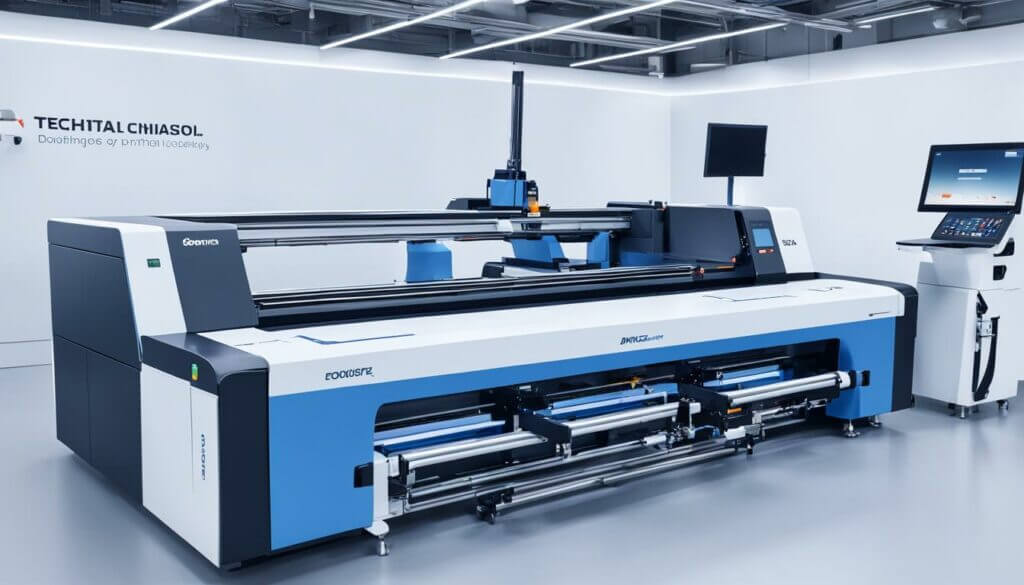
Facing such industry transformation, is your printing business ready to embrace new challenges? Digitalization not only improves efficiency, but also makes products better aligned with consumers' personal preferences. Data-driven marketing strategies will keep you at the forefront of a fiercely competitive market.
Advantages of Silicone Materials in Printing Applications
When selecting the best printing material, material selection is an important consideration that cannot be overlooked. Especially in demanding environments such as the automotive industry, silicone materials stand out with their exceptional flexibility and chemical resistance.
Due to its wear-resistant and chemically corrosion-resistant properties, silicone is highly suitable for producing connector seals used in the automotive industry. When engines operate in high-temperature environments, silicone seals can provide an effective protective barrier, extending the service life of connectors.
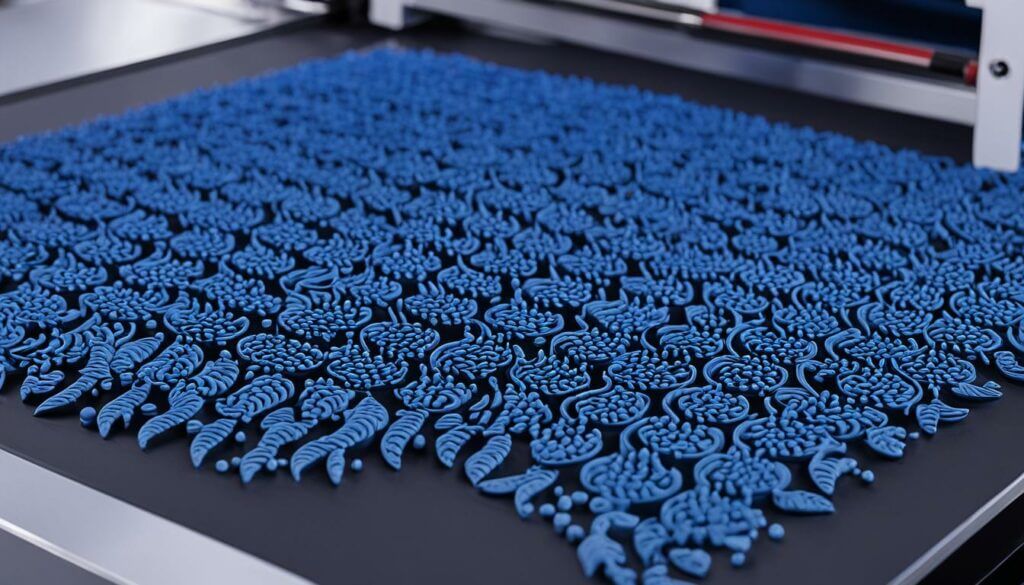
Silicone can withstand prolonged use without losing its softness, making it an ideal material for various applications. Whether you need to print durable mechanical components or seals that can work under extreme conditions, silicone materials can meet your stringent material requirements.
New Trends in Print Product Binding and Processing
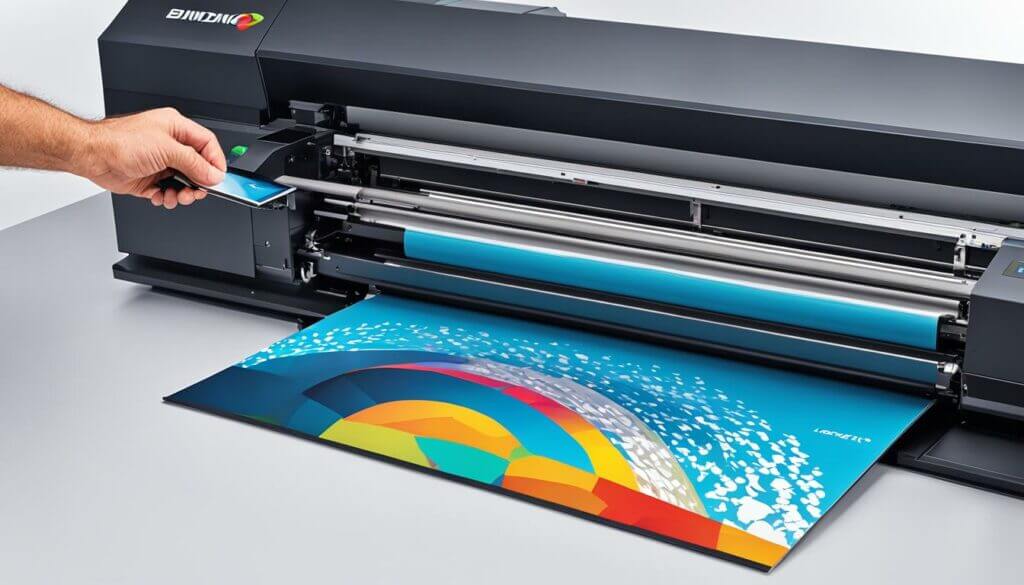
With the increasing diversity of market demand, the print product binding and processing industry is rapidly moving toward digital binding technology and the use of eco-friendly materials. This not only meets the personalized needs of contemporary consumers, but also responds to the call for sustainable production methods. Below are some key trends in the current print binding industry.
| Binding Technology | Material Type | Market Response |
|---|---|---|
| Traditional Binding | Non-renewable Materials | Gradually Declining |
| Digital Binding | Renewable Materials | Increasing Demand |
As clearly shown in the table, digital binding's utilization of renewable materials far exceeds that of traditional binding methods. With growing environmental awareness, market demand for products using eco-friendly materials continues to rise. This trend will further promote the development of digital binding technology to better adapt to these changes.
Challenges Facing Silicone Printing Technology
In today's printing industry, silicone materials have shown tremendous application potential, especially in products requiring extremely high precision and durability. However, during actual operations, companies still face a series of process challenges that significantly affect the speed and scale of technology adoption. Advancing Silicone Printing technology requires not only innovative thinking, but also overcoming obstacles in material selection to ensure that final products meet increasingly stringent industry regulations.
| Challenge | Current Status | Requirement |
|---|---|---|
| Process Precision | Silicone material printing processes struggle to achieve high precision | Refined printing technology to meet complex product requirements |
| Industry Standards Compliance | Many silicone printed products do not fully meet standards | Ensure all products comply with international regulations before shipment |
| Chemical Resistance | Some silicone printing materials lack sufficient chemical resistance | Adopt higher-quality materials to improve product durability |
Actively addressing these challenges will provide the momentum for Silicone Printing technology to maintain its leading position in the industry. Only through continuous research and improvement, and overcoming these specific process challenges, can Silicone Printing realize its true potential and achieve widespread market adoption.
The Integration of Rigid Box Packaging and Silicone Printing Technology
When you explore the world of box packaging, you will discover that packaging design is not just about protecting products -- in modern business competition, it is at the core of brand communication strategy. Applying silicone materials to rigid box packaging allows your products to stand out in the market by conveying unique appeal through both functionality and personality.
The structural design of box packaging needs to consider both aesthetics and practicality. The introduction of Silicone Printing technology provides more flexibility for rigid boxes. For example, silicone materials can closely conform to product shapes, improving durability while enhancing visual appeal.
| Packaging Element | Silicone Printing Contribution | Brand Impact |
|---|---|---|
| Appearance | Enhanced texture, high color saturation | Improved first impression of products |
| Structure | Flexible adaptation to product form | Enhanced consumer experience |
| Longevity | Durable materials, extended lifespan | Deepened brand reliability |
| Eco-friendliness | Recyclable materials, aligned with green trends | Demonstrates corporate social responsibility |
Understanding how to integrate these elements into your packaging design will make your products stand out in a competitive market. Through carefully designed box packaging combined with the advantages of Silicone Printing technology, your brand is about to set sail on the path to success.

Handmade Box Production: Personalization Through Printing Technology
When you pursue excellence in brand communication and market share, handmade boxes represent a professional craftsmanship spirit and the highest quality. The fusion of traditional and innovative technologies gives packaging solutions and customization services a unique charm and efficiency. A high degree of customization service not only attends to every detail, but also ensures your product boxes stand out in the market.
Using Silicone Printing technology, handmade box production not only provides exceptional appearance, but also offers shock-resistant and friction-proof protection for products. This craftsmanship makes every box as refined as an artwork, while embedding your brand story and cultural values.
| Handmade Box Features | Technology Application | Customization Details | Market Value |
|---|---|---|---|
| Unique Material Selection | Silicone Printing Durability | Exclusive Design Printing | Brand Image Enhancement |
| Handmade Craftsmanship | Precision Cutting Technology | Color and Pattern Customization | Enhanced Consumer Experience |
| Eco-friendly Material Application | Low-temperature Curing Process | Size and Structure Adjustment | Green Environmental Awareness |
Whether for new product launches or limited holiday editions, a customized handmade box can make consumers feel a distinctive level of attention and thoughtfulness. Custom packaging not only reflects your commitment to product quality, but is also the best demonstration of respect for customers.

The Fusion of Color Printing Technology and Silicone Materials
When you explore the vibrant world of color printing, you will discover that its combination with silicone materials opens up new possibilities. With color printing, printed products not only feature rich colors and outstanding visual effects, but also satisfy your meticulous pursuit of detail. This innovative application is precisely designed to better meet consumer demand. From various advertising materials to product packaging, color printing technology never stops advancing, and its combination with silicone materials now means high-quality color printing effects can be achieved across a broader range of applications.
Using silicone materials in the printing process not only increases product durability and elasticity, but when it comes to high-precision and complex patterns, its fineness takes color printing results to the next level. This not only meets your expectations for quality, but also provides assurance for the longevity of printed products. Under such an innovative and practical combination, from automotive parts to everyday consumer goods, every printed product can display more vivid colors and better attract consumer attention.
Ultimately, the fusion of color printing and silicone materials represents not merely a technological breakthrough, but also the printing industry's relentless pursuit of innovation and keen insight into market trends. Your brand and products can present impressive visual effects through this process, while strengthening connections with consumers and enhancing your product's competitiveness and value in the market.