

Explore PVC Micro Injection Molding technology -- in 21st century manufacturing, you will discover how this technology is revolutionizing the production of small precision components. With the advancement of technology, miniature plastic components are receiving increasing attention, with applications ranging from medical devices to consumer electronics. This article provides a comprehensive introduction to PVC Micro Injection Molding applications and explores how it has become an indispensable key element in many innovative products.
In the field of miniature plastic component manufacturing, PVC Micro Injection Molding has gradually become an industry focus due to its high precision and cost-effectiveness. We will reveal what factors make PVC materials stand out among many choices, and how they meet the increasingly stringent specifications for small components in the market.
Key Takeaways
- Understand how PVC Micro Injection Molding improves the production process of miniature plastic components.
- Explore the properties of PVC materials that make them an ideal choice for micro injection molding.
- Recognize the wide-ranging applications of PVC Micro Injection Molding across multiple industries.
- Learn about the growing market demand for miniature plastic components and its implications.
- Master the key technical points for designing high-quality miniature plastic components.
What is PVC Micro Injection Molding?
PVC Micro Injection Molding is a high-precision Plastic Injection Molding technique specifically designed for manufacturing tiny, delicate plastic parts. This technology can precisely control the amount of plastic material injected into the mold, making it a critical manufacturing process for industries such as **medical devices**, **electronic products**, and **precision mechanical components**.
For a deeper understanding of the PVC Micro Injection Molding process and its advantages, the following table presents relevant key information:
| Feature | Benefit | Application Example |
|---|---|---|
| Precision volume control | High accuracy, consistency | Medical micro catheters |
| Minimal material waste | Cost-effective, environmentally friendly | Smartwatch components |
| Handles complex shapes | Design flexibility | Micro acoustic components |
Through PVC Micro Injection Molding technology, manufacturers can achieve higher production efficiency and product quality while reducing material waste during the manufacturing process. The application areas for this technology are expanding, making it an indispensable manufacturing solution for industries pursuing innovation and efficiency.
Market Demand for Miniature Plastic Components
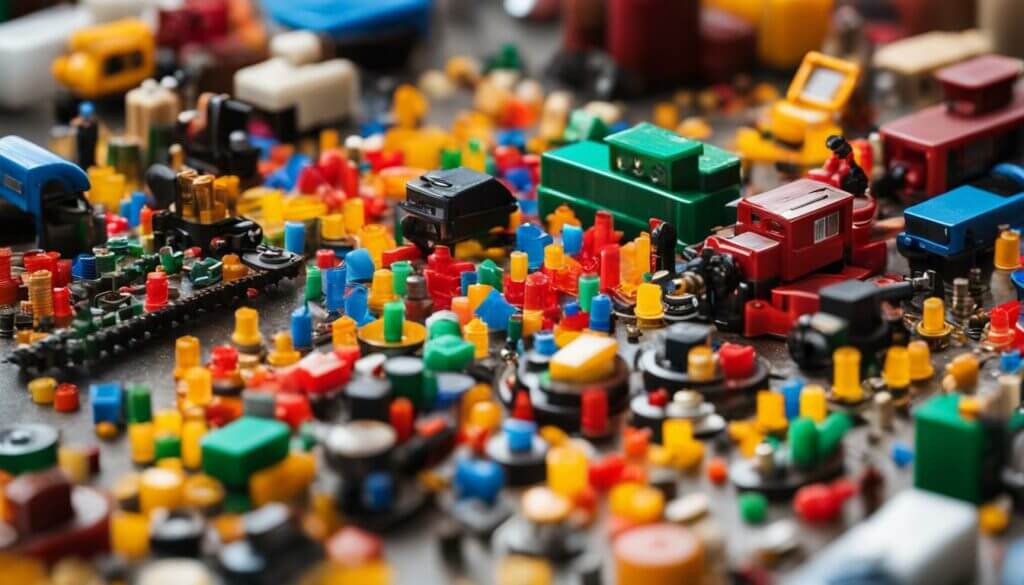
As technology continues to advance, miniature plastic components are being applied across multiple industries, becoming an important driver of innovation. Market demand for these high-precision, high-performance components continues to grow, particularly in consumer electronics, medical equipment, and the automotive industry. These components must not only meet precise size requirements but also possess good chemical stability and physical properties to adapt to various complex and demanding usage environments.
Particularly noteworthy is that with the rise of portable and wearable devices, the dependence on miniature plastic components has become especially significant. These components must be not only compact in structure but also lightweight and durable to maintain the portability and longevity of the overall device. Therefore, the requirements for the quality and production efficiency of these components have reached unprecedented levels.
Development History of Micro Injection Molding Technology
When you explore the history of micro injection molding technology, you will find it is a continuously evolving field. In the early days, engineers faced numerous challenges, including how to precisely control plastic flow and cooling to manufacture tiny yet precise plastic components. Over time, this technology has evolved from manual operations to semi-automation, and then to today's fully automated production lines.
In Taiwan, micro injection molding technology has grown rapidly in response to the thriving development of consumer electronics, medical devices, and precision industries. This technology has not only improved production efficiency but also reduced manufacturing costs while enhancing product consistency and quality. Over the past few decades, micro injection molding technology has transformed from a simple manufacturing process into a high-tech craft integrating advanced control and monitoring systems.
It is worth noting that micro injection molding capabilities continue to evolve today. With the advancement of digitalization and smart manufacturing, this technology will progressively integrate with Industry 4.0 concepts, further driving the manufacturing industry toward an intelligent and automated future.
Why PVC is Chosen as the Material for Micro Injection Molding
In today's field of miniature plastic component manufacturing, PVC material stands out with its outstanding properties, becoming the preferred choice of many engineers and designers. PVC, or polyvinyl chloride, is not only easy to process but also possesses high strength, chemical corrosion resistance, and excellent durability. Below, we explore why PVC stands at the forefront among many materials as the ideal choice for micro injection molding.
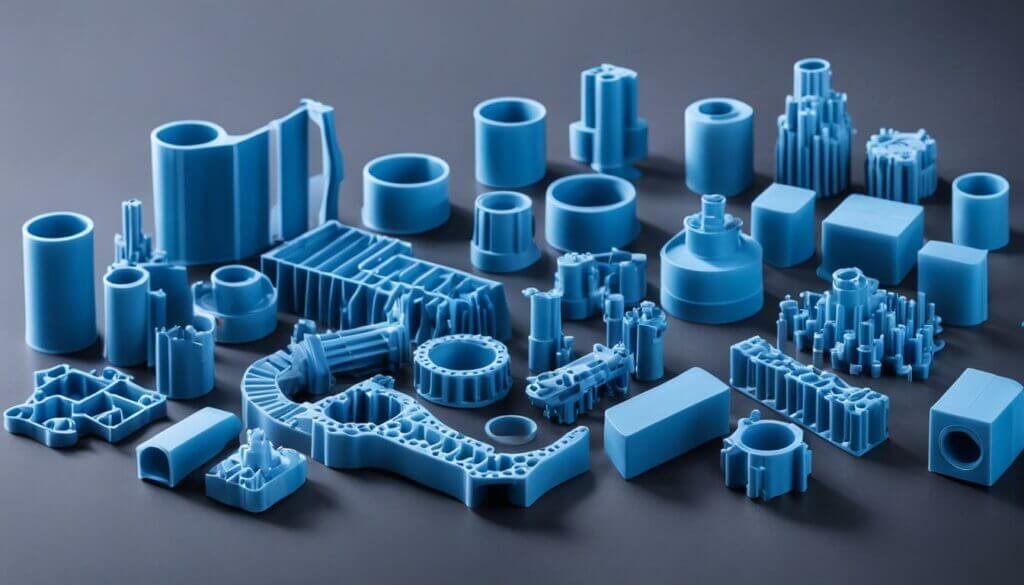
High Flexibility: By adding different plasticizers, PVC's hardness and flexibility can be adjusted according to product requirements, making it adaptable to different application fields.
Excellent Chemical Stability: PVC's ability to resist various chemical corrosions makes it applicable in environments requiring long-term contact with chemical solvents.
Good Insulation Properties: As an insulator, PVC is commonly used in miniature components for electronic and electrical applications, ensuring safe device operation.
Eco-friendly and Recyclable: With the growing emphasis on green environmental protection, PVC's recyclability has also become an important factor in material selection.
In response to your demand for precision miniature plastic components, these properties that PVC demonstrates during the micro injection molding process fully satisfy diverse requirements from durability to flexible design, which is precisely why PVC has broad application prospects in this field.
Application Fields: Diverse Uses of PVC Micro Injection Molding
PVC Micro Injection Molding technology plays an indispensable role in numerous industries due to its flexibility and high efficiency. From medical equipment to consumer electronics, plastic components made from PVC materials have achieved wide adoption thanks to their lightweight, durable, and cost-effective characteristics.
| Application Field | Product Examples | Key Advantages |
|---|---|---|
| Medical Equipment | Disposable syringes, tubing connectors | Hygienic, high precision, low cost |
| Consumer Electronics | Smartphone buttons, connectors | Lightweight, wear-resistant, aesthetically pleasing |
| Automotive Industry | Dashboard buttons, electronic component housings | Heat-resistant, chemical-resistant, highly durable |
| Household Products | Faucets, valves, small hardware | Safe, waterproof, long lifespan |
These application examples highlight the high suitability of PVC Micro Injection Molding in designing and producing high-precision plastic components, bringing unlimited possibilities to your business.
Key Points for Designing Miniature Plastic Components
In today's manufacturing industry, designing miniature plastic components is a precise and complex craft. Through accurate design, you can not only enhance product functionality but also reduce manufacturing costs. Below are several key considerations when designing miniature plastic components.
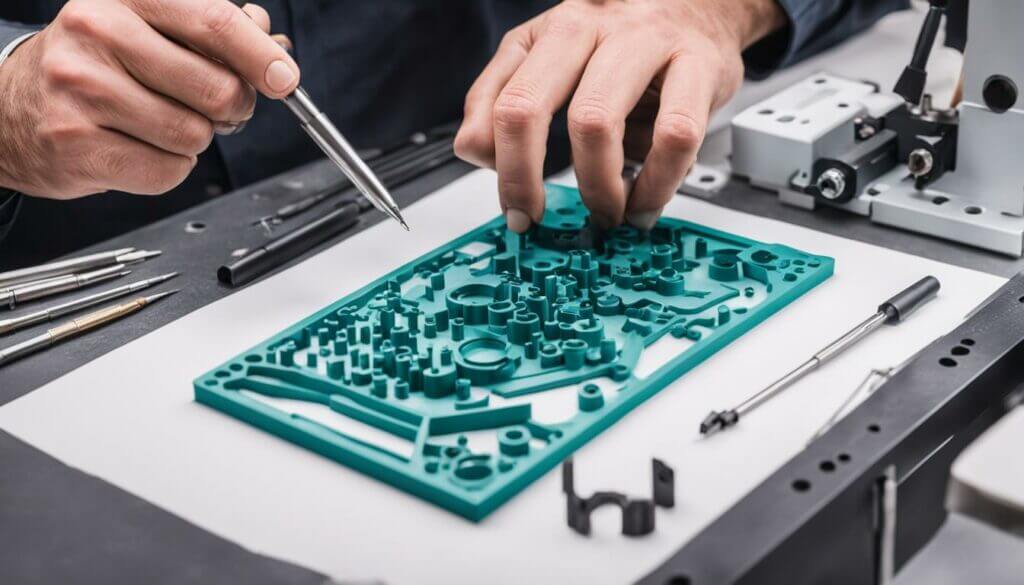
First, dimensional accuracy is the primary consideration in miniature plastic component design. Any tiny error could cause problems during assembly or application. Based on this, designers need to use precise engineering software to ensure dimensional correctness.
Second, material selection is equally critical. Choosing the right material can improve component performance and extend lifespan. For example, PVC is frequently used in micro injection molding processes due to its chemical resistance and high strength.
| Design Element | Consideration Principle | Impact Scope |
|---|---|---|
| Dimensions and Tolerances | Precise calculations, accounting for injection shrinkage | Assembly fit, functional realization |
| Material Properties | Heat resistance, impact resistance, chemical corrosion resistance | Component lifespan, reliability |
| Wall Thickness Design | Avoid excessive thickness causing uneven cooling | Surface quality, product stability |
| Runner System | Ensure uniform material flow | Finished quality, production efficiency |
| Venting System | Effectively expel gases to prevent defects | Surface integrity, structural completeness |
Finally, mold design and process control are also essential elements that cannot be overlooked. Excellent mold design is the foundation for achieving high-quality miniature components, while strict process control ensures process stability and component consistency.
By designing miniature plastic components that meet the functional and quality standards required by the target market, you can stand out in a competitive market.
Equipment Selection: High-Efficiency Micro Injection Molding Machines
When you enter the world of miniature plastic component manufacturing, selecting the right micro injection molding machine is the key to success. High-performance equipment can improve product quality, enhance productivity, and reduce operating costs. In this section, we explore how to select a micro injection molding machine that meets your needs.
| Equipment Feature | Benefit |
|---|---|
| Precision Control | Ensures manufacturing process consistency and repeatability |
| Energy-efficient Design | Reduces energy consumption, enables eco-friendly production |
| Automation Features | Improves production efficiency, reduces operator burden |
| Quick Mold Change System | Shortens mold changeover time, rapid response to market changes |
When selecting a micro injection molding machine, you should consider the machine's control system, power efficiency, degree of automation, and ease of maintenance. With the right equipment, you will be able to consistently produce high-quality miniature plastic components, meeting the growing market demand for precision micro components.
The Importance of Mold Design in Micro Injection Molding
In the micro injection molding process, mold design not only affects product quality but directly impacts overall production efficiency and cost. A well-designed mold ensures that manufactured miniature plastic components possess excellent precision and complexity, while also helping to reduce production cycles and material waste.
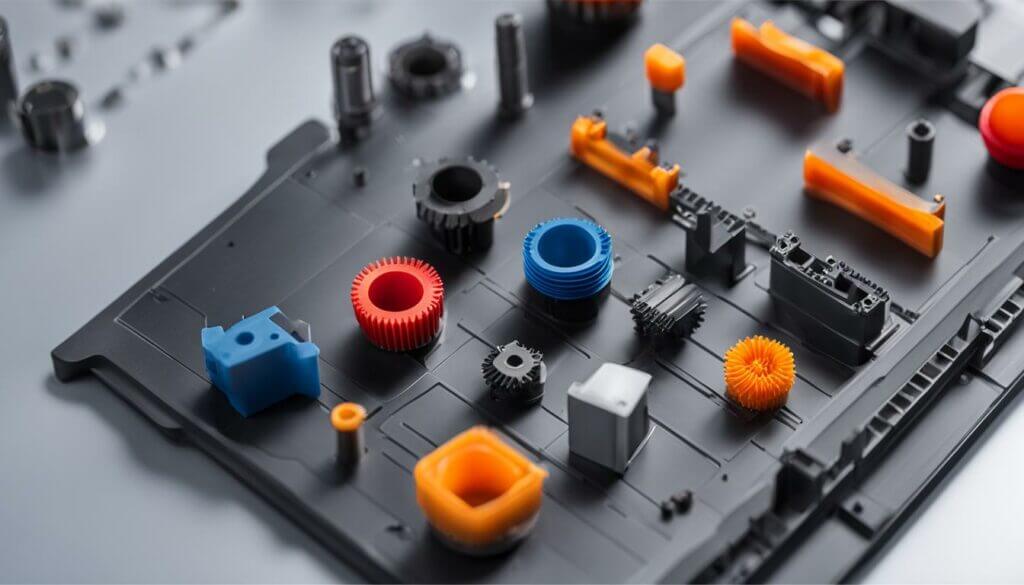
Driven by advanced micro injection molding technology, mold design innovation is meeting the burgeoning demand from medical, consumer electronics, automotive, and aerospace industries, which frequently require very high-specification small plastic components. Therefore, mold designers need to keep up with the latest industry standards while possessing in-depth understanding of material properties and injection processes.
Selecting appropriate mold materials and designing fine details are key to ensuring product quality. Common micro injection mold materials on the market include heat-treated tool steel or cemented carbide, which provide excellent wear resistance and long service life while ensuring high precision.
Furthermore, optimization of the mold's internal structure is also crucial. This includes the design of venting systems, layout of cooling channels, and design of demolding mechanisms -- all requiring careful calculation and testing to ensure the consistency and reliability of the final product.
For your micro injection molding project, choosing an experienced mold design and manufacturing partner will be a key step in enhancing product performance and market competitiveness.
Production Process: Steps from Design to Finished Product
When facing a new generation of micro injection molding projects, understanding the entire production process will help you optimize time and cost. This section provides a detailed introduction to the important production stages of PVC Micro Injection Molding, helping you smoothly transform design concepts into high-quality finished products.
| Stage | Description | Key Considerations |
|---|---|---|
| Concept Design | Draft initial designs for miniature plastic components based on market demands. | Ensure design has manufacturability, meets performance and dimensional specifications. |
| Material Selection | Select appropriate PVC materials to suit the product's application environment and performance requirements. | Consider physical and chemical properties as well as cost. |
| Detailed Design | Refine the product design, completing the transition from concept to actual product. | Conduct mold design and anticipate potential production challenges. |
| Prototype Production | Create initial prototypes using 3D printing or CNC machining to validate design assumptions. | Perform functional and structural testing on prototypes. |
| Mold Manufacturing | Manufacture molds based on the finalized design for subsequent mass production. | Mold precision directly affects product quality and requires strict control. |
| Micro Injection Molding Production | Use specialized micro injection molding machines for mass production. | Maintain consistent PVC temperature and pressure during production. |
| Post-processing | Includes cleaning, painting, assembly, and other processes. | Post-processing enhances product appearance and ensures functionality. |
| Quality Inspection | Use high-precision equipment to ensure every component meets quality standards. | Non-conforming products must be reworked or scrapped. |
| Packaging and Shipping | Package according to customer requirements, ensuring product safety during transportation. | Flexible logistics arrangements to meet rapid market response needs. |
Mastering these steps will accelerate your process from conception to realization, creating advantages for your miniature plastic component manufacturing in both production efficiency and market competitiveness. PVC Micro Injection Molding involves numerous details, and each one has an impact on final product quality and performance that cannot be overlooked.
Quality Control: Ensuring Precision of Miniature Plastic Components
In the production process of miniature plastic components, quality control plays a decisive role in ensuring product precision and reliability. Let's delve into the details -- from material inspection, production process monitoring, to finished product testing, every step is a crucial link in ensuring your products meet the highest industry standards.
First, when raw materials arrive, professional teams conduct rigorous quality inspections, ensuring compliance with micro injection molding requirements. Material texture, purity, and flowability all undergo comprehensive testing to support precision control in subsequent production processes.
During production, high-precision equipment and advanced monitoring systems continuously track production stages, including key parameters such as injection speed, pressure, and temperature. This real-time data is critical for timely problem detection and maintaining product quality.
Completed miniature plastic components undergo a series of performance tests, such as dimensional inspection, mechanical property testing, and life cycle testing, to provide comprehensive quality reports. Through this complete quality assurance process, customer confidence and market competitiveness are simultaneously enhanced.
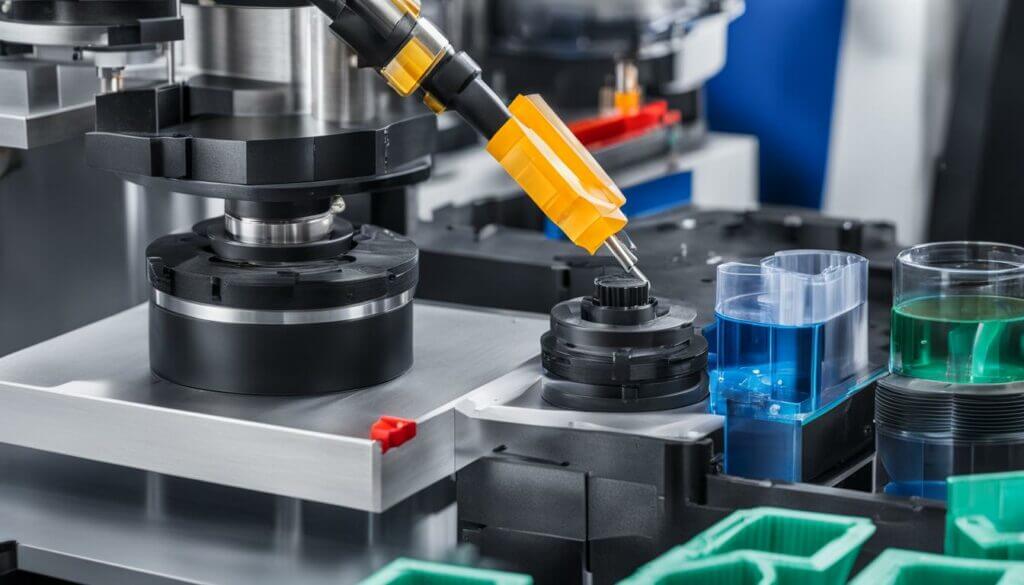
Material Innovation: Research Directions for Eco-Friendly PVC
Facing today's environmental protection challenges, research and development of eco-friendly PVC has become a popular area of material innovation. Eco-friendly PVC not only meets sustainable development requirements but also offers the dual advantage of effectively reducing production costs and improving product performance. As an industry R&D professional, you will deeply appreciate the environmental and economic dual benefits brought about by material innovation.
Compared with traditional PVC, eco-friendly PVC significantly reduces harmful substance emissions during production and offers higher efficiency in recycling and processing. To explore the research directions for eco-friendly PVC, we have organized the following key areas for your attention:
| Research Focus | Practical Application | Environmental Impact |
|---|---|---|
| Non-phthalate Plasticizers | Improved plastic component flexibility | Reduced burden on ecosystems |
| Bio-based Materials | Replacement of traditional petrochemical raw materials | Reduced carbon footprint |
| Biodegradable PVC | Improved waste disposal | Promoted resource recycling |
Although eco-friendly PVC is still in the research stage, its potential in the micro injection molding field is already well recognized. With technological breakthroughs and increasing market demand, you can expect significant progress in this field in the coming years.
Let us look forward together to new developments in eco-friendly PVC that will bring a new wave of industrial revolution to the miniature plastic component manufacturing industry, while providing solid support for protecting the planet we call home.
Cost Analysis: Economic Benefits of PVC Micro Injection Molding
For those working in precision industries, understanding the cost structure of PVC Micro Injection Molding is crucial. Investing in the production of high-precision miniature plastic components not only improves product quality but also reduces production costs in the long run. In this section, we provide an in-depth analysis of the return on investment (ROI) and total cost of ownership (TCO) of PVC Micro Injection Molding.
For a more detailed understanding of costs, the following table provides a direct comparison between PVC Micro Injection Molding and traditional processes, highlighting cost differences in raw materials, energy consumption, labor, and maintenance. Through this data, you can better evaluate the economic benefits of micro injection molding technology.
| Cost Category | PVC Micro Injection Molding | Traditional Process |
|---|---|---|
| Raw Material Cost | Lower | Higher |
| Equipment Investment | Higher initial investment | Lower initial investment |
| Energy Consumption | Lower | Higher |
| Labor Cost | Reduced | Higher |
| Production Efficiency | Higher | Lower |
| Maintenance Cost | Lower | Higher |
| Waste Disposal | More economical | Higher cost |
As shown in the table above, although PVC Micro Injection Molding may have a higher initial equipment investment, its lower raw material costs and energy consumption, combined with higher production efficiency, lead to significant long-term cost savings. Additionally, since less waste is generated during the process, waste disposal costs are also reduced. The reduction in labor costs is due to higher automation, requiring less manual intervention in the production process. Taking all these factors into account, you can clearly see the advantages of PVC Micro Injection Molding in overall cost management.
Case Studies: Successful PVC Micro Injection Molding Applications
When we examine successful cases of PVC Micro Injection Molding, you will find that this technology has been widely applied across many innovative fields. These applications not only demonstrate the precision and efficiency of micro injection molding but also prove the reliability of PVC material under high-performance requirements.
Leading medical device manufacturers have utilized PVC Micro Injection Molding technology to produce tiny, precision plastic parts used in various surgical and therapeutic equipment. For example, micro vascular clips or attachment devices with complex shapes are all produced through the precision micro injection molding process. These components require extremely high precision and consistency, and PVC Micro Injection Molding enables large-scale production while maintaining consistent quality.
Additionally, the consumer electronics industry is also a major user of PVC Micro Injection Molding technology. In smartphones, tablets, and other portable devices, numerous miniature PVC plastic parts are needed to secure or connect internal components. Components such as microphone and speaker micro parts or connectors benefit from PVC's excellent electrical insulation properties, as well as outstanding chemical and physical resistance -- all essential for modern consumer electronics.
In these case studies, we can see the far-reaching impact of PVC Micro Injection Molding technology across various industries. Whether in medical, consumer electronics, or other industries requiring precision plastic components, PVC has demonstrated its critical role through its excellent physical properties and cost-effectiveness.
Challenges and Solutions: Problems Facing Micro Injection Molding Technology
With technological advancement, micro injection molding plays an increasingly important role in industry. However, it also faces certain challenges, such as how to balance efficiency with cost, how to ensure product precision and consistency, and how to adapt to rapidly changing market demands. Understanding these challenges and their solutions is essential for maintaining competitiveness.
| Challenge | Solution |
|---|---|
| Cost Control | Optimize production processes, adopt automated equipment to reduce labor costs |
| Precision and Consistency Maintenance | Use advanced inspection equipment, implement strict quality monitoring systems |
| Material Selection | Continuous research and development of new materials to improve product performance |
| Environmental Impact | Adopt eco-friendly PVC and recyclable materials, reduce waste generation |
| Rapidly Changing Market Demands | Improve design and mold manufacturing flexibility, shorten product development cycles |
Facing these challenges in micro injection molding technology, we must continue to innovate, adjust strategies, and ensure technology evolves in step with market demands. Additionally, strengthening collaborative efforts with supply chain partners is also key to achieving efficient production.
Future Outlook: Development Trends for PVC Micro Injection Molding Technology
In Taiwan, PVC Micro Injection Molding technology is heading toward an innovative future. With technological advancement, we foresee more efficient production processes, more precise injection molding capabilities, and significant progress in environmental sustainability. For you, these trends mean that lower-cost, higher-quality products will gradually become the new market standard.
We can expect that with the progression of Industry 4.0, smart manufacturing will become mainstream in micro injection molding technology. Through IoT (Internet of Things) integration, production data will be tracked and optimized in real-time, error rates will be further reduced, achieving unprecedented production efficiency. The feedback from this data will play a key role in PVC material quality management and innovation.
From an environmental perspective, **researchers** are working to develop a new generation of PVC materials that will significantly improve recyclability and biodegradability. With the promotion of eco-friendly plastics, PVC Micro Injection Molding will be able to comply with increasingly strict environmental regulations while meeting the public's pursuit of a green lifestyle.
With the rise of emerging markets, medical devices, precision engineering, and consumer electronics will all be important growth areas for micro injection molding technology. At that time, you will witness more innovative miniature plastic components being applied in various high-end devices, thereby driving breakthroughs and development in related industries.
Conclusion
Through this article's exploration, you have gained a comprehensive understanding of the advantages, application scope, and technological development of PVC Micro Injection Molding in miniature plastic component manufacturing. From the evolution of micro injection molding technology to the multiple benefits of choosing PVC as a material, every point indicates how this technology closely follows market demands, providing innovative solutions for various industries.
Looking to the future, the development trends of PVC Micro Injection Molding technology indicate that this is not only a major advancement in the plastic manufacturing field, but also the intersection of industrial design innovation and environmental sustainability. Accompanied by material innovation and production process optimization, the refinement of this technology will undoubtedly continue to influence the prospects of the medical, electronics, automotive, and other industries.
On your journey of exploring PVC Micro Injection Molding technology, we hope this article serves as a solid guide, helping you find opportunities, break through limitations, and propel your innovative thinking to new heights within the industry.