

When exploring the world of PVC micro molding, understanding the selection of injection molding materials is crucial to ensuring molding quality. PVC performance not only affects the structural stability of products but is also an important factor in determining production efficiency and cost-effectiveness. Polyvinyl chloride (PVC), with its excellent chemical and physical properties, has become a key material widely adopted across various industries.
Before performing PVC Micro Injection Molding, you need to carefully consider the various characteristics of the materials used, as these will directly affect the stability of the molding process and product quality assurance. Let us delve into how precise material selection and processing control can achieve high-quality molding results.
Key Takeaways
- PVC micro molding requires careful material selection to ensure final product quality.
- PVC performance has a significant impact on injection molding and requires thorough understanding of its properties.
- Material selection must consider product design, molding process, and production costs.
- The impact of injection molding materials on process stability and production efficiency cannot be overlooked.
- Proper material management improves the controllability of the molding process and product durability.
- Understanding material properties is essential for optimizing molding processes and improving product precision.
- Selecting the right PVC material is the first step in achieving quality micro injection molding.
Overview of PVC Micro Injection Molding
When exploring micro molding technology in modern manufacturing, you will find that PVC molding plays a crucial role. **Micro molding technology**, particularly the injection molding process for PVC materials, is highly valued by the industry for its high efficiency and precision. The applications of this technology span multiple fields, including medical devices, precision components, and consumer electronics products.
Compared with traditional injection molding, **PVC molding** in micro injection has its unique advantages. For example, it can achieve smaller dimensions and more precise molded parts while maintaining material properties and improving production efficiency. Additionally, when using PVC materials, you can expect products from the injection molding process to have excellent chemical stability and durability.
| Technology Type | Minimum Dimensional Tolerance | Production Efficiency | Material Property Retention |
|---|---|---|---|
| PVC Micro Injection Molding | +/-0.005mm | High | Excellent |
| Traditional Injection Molding | +/-0.05mm | Medium | Standard |
From the table above, you can clearly see that micro molding technology with PVC materials can achieve higher precision and better production efficiency. This demonstrates that micro molding technology has advantages not only in dimensional accuracy but also better retains PVC's intrinsic properties during the production process — an indispensable technology for modern manufacturing that pursues ultimate quality and performance.
Impact of PVC Material Selection on Product Quality
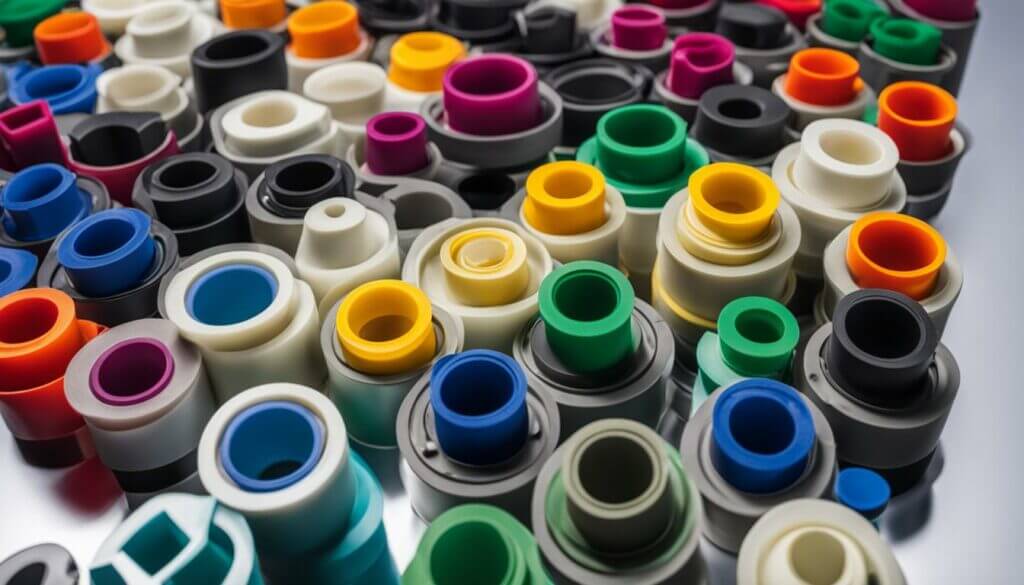
In injection molding, PVC material selection has a significant impact on the appearance, mechanical properties, chemical resistance, and durability of finished products. Understanding the characteristics of different PVC grades can help you achieve higher product quality control and improved injection molding performance.
| Product Requirement | Recommended PVC Grade | Appearance Impact | Mechanical Properties | Chemical Resistance | Durability |
|---|---|---|---|---|---|
| Medical Devices | PVC 6411 | High transparency | Good compression resistance | Excellent | Long-term |
| Consumer Electronics Housing | PVC 4502 | High gloss | Strong impact resistance | Good | Medium to High |
| Building Materials | PVC 1102 | UV color resistance | High hardness | Excellent | Very Long |
Selecting the right PVC material not only significantly enhances the performance characteristics of finished products but also reduces the generation of defective products during the production process, thereby saving costs and improving efficiency. Investing in quality testing and material selection is a critical step in ensuring injection molded products meet expected quality standards.
Micro Injection Molding Process Analysis
For those focused on PVC molding, understanding every detail of molding process optimization is crucial. Micro injection technology not only improves molding efficiency but also enhances product consistency. Below, we will delve into the key aspects of the micro injection molding process to ensure you can fully leverage this technology.
First, mold design is extremely critical for micro injection molding. A good design can reduce material waste and improve product precision. Next, material preparation requires meticulous attention — especially for PVC, where temperature and dryness levels affect molding quality.
Molding condition settings need to be optimized based on material properties, including injection speed, pressure, and temperature control. Accurate parameter settings ensure that PVC's performance is maximized during the molding process.
To help you better understand these aspects, here is a detailed molding process optimization table:
| Process Stage | Objective | Key Points |
|---|---|---|
| Mold Design | High precision and material conservation | Consider product structure, balancing heat dissipation and filling uniformity |
| Material Preparation | Ensure PVC dryness and homogeneity | Control material pre-drying time and temperature |
| Molding Conditions | Optimal finished product quality | Precisely adjust injection speed, pressure, and temperature |
PVC Material Handling During the Molding Process
In the injection molding field, PVC material management and molding process optimization are key to ensuring product quality and production efficiency. This section will guide you through understanding how advanced material handling technology can improve the overall performance of the PVC molding process.
First, a good PVC material management system can significantly reduce material waste while ensuring materials maintain optimal condition before molding. This includes careful control of material storage, transportation, and pre-treatment processes. For example, maintaining proper storage conditions can prevent material moisture absorption or contamination, which is critical for maintaining PVC raw material quality.
Furthermore, temperature and humidity control during the process are also important aspects of material handling technology. Temperatures that are too high or too low will affect PVC's fluidity, posing potential threats to molding quality and machine operation. Therefore, precise material temperature control ensures PVC maintains consistent flow and molding characteristics.
To maximize production efficiency and product quality, molding process optimization should cover the following key points:
- Material Purification: Ensure all foreign impurities are removed.
- Accurate Metering: Precisely control the PVC quantity for each injection.
- Drying Treatment: Proper drying prevents PVC issues caused by moisture during the molding process.
- Uniform Heating: Ensure PVC is heated uniformly in the barrel, avoiding localized burning or unmelted material.
- Selecting Appropriate Equipment: Use equipment capable of precisely controlling material handling parameters.
Additionally, continuously tracking and analyzing PVC material performance data allows for timely adjustment and optimization of production conditions, ensuring every batch of finished products meets high quality standards.
By focusing on PVC material management and optimizing the molding process, you can not only improve product quality and customer satisfaction but also maintain a leading position in the competitive market.
Focus: Temperature and Pressure Control for PVC Materials
During the injection molding process, PVC temperature management and pressure control techniques are two major factors affecting product quality. Temperature that is too high or too low can lead to molding defects, such as improper melt viscosity or increased internal stress in products. Improper pressure settings can result in insufficient filling or overpacking. Therefore, precise injection molding parameter control is essential for ensuring product consistency and precise dimensions.
| Parameter | Control Focus | Operating Recommendation |
|---|---|---|
| PVC Material Temperature | Proper temperature ensures uniform material plasticization | Monitor melt temperature, avoid low temperatures that increase injection force |
| Mold Temperature | Mold temperature determines product cooling speed and cycle time | Adjust moderate mold temperature based on PVC material characteristics |
| Injection Pressure | Proper pressure aids product filling and densification | Adjust injection pressure based on product structure and dimensions |
| Holding Phase | Holding phase affects product shrinkage and dimensional stability | Set holding parameters based on product requirements and actual observations |
| Cooling Time | Sufficient cooling ensures product dimensional accuracy | Avoid insufficient cooling that causes product deformation |
Mastering these fundamental temperature and pressure control principles will help you achieve better molding quality in PVC injection molding, reduce defect rates, and improve production efficiency. Remember, standard settings are only a starting point — truly precise control requires fine-tuning based on product characteristics and actual production conditions.
Correlation Between PVC Material Performance and Molding Precision
When discussing injection molding precision, we must mention the role that material performance plays throughout the injection molding process. Using high-performance PVC can significantly improve product quality. The intrinsic properties of high-performance PVC materials, such as elasticity and compressive strength, directly affect molding precision and product performance. Here, we will demonstrate how material performance optimization can enhance molding quality.
First, focus on how PVC's physical and chemical properties interact with injection machine parameters such as injection pressure and mold temperature. Then explore how different PVC types affect precision and material flow during injection molding, and how to select high-performance PVC suitable for specific applications.
| PVC Property | Impact on Molding Precision | Optimization Recommendation |
|---|---|---|
| Elasticity | Improves mold filling and product demolding performance | Select PVC materials with high elasticity for production |
| Compressive Strength | Ensures products don't deform under pressure, maintaining dimensional stability | Enhance material formulation to improve PVC compressive properties |
| Thermal Stability | Prevents physical property changes during high-temperature molding | Use heat-resistant PVC and appropriately adjust processing temperatures |
Selecting the right PVC material involves not just operational techniques during the molding process but is also critical to the final product's quality. Mastering material performance optimization techniques will help you stand out in the PVC injection molding field.
How to Select Materials Suitable for PVC Micro Injection Molding
When facing material selection for PVC Micro Injection Molding, you need to consider a range of factors, including product requirements, molding equipment characteristics, and production costs. Through this material selection guide, you will be able to identify PVC molding suitability, ensuring the selected PVC material can adapt to the demanding conditions of micro injection molding while meeting your project specifications.
First, understanding your product requirements is crucial. This refers not only to the product's shape and size but also includes material performance requirements such as toughness, heat resistance, and chemical resistance. Based on these requirements, you can make informed choices among different PVC grades on the market.
Second, evaluate the molding equipment you are using. Different machines may have varying capabilities for handling materials, such as PVC's melt temperature and injection pressure. Selecting a PVC material that matches your equipment can significantly improve molding results and production efficiency.
Finally, consider the impact of production costs on your selection. High-performance PVC options may require a higher initial investment, but in the long run, their durability and reduced production waste may mean lower overall costs.
To help you understand the characteristics of different PVC materials in more detail, here is a brief comparison table listing several common PVC brands and their main physical and chemical properties:
| PVC Brand | Melt Temperature (degrees C) | Chemical Resistance | Application Range |
|---|---|---|---|
| Brand A | 160-210 | High | Medical Equipment |
| Brand B | 170-220 | Medium | Electronic Products |
| Brand C | 150-195 | Low | Toys |
Material Adaptability Analysis of Injection Molding Machines
When selecting injection molding machines, one consideration for injection molding machine selection is its material adaptability to different materials. For PVC, a material with wide applications, you need to understand whether your equipment has sufficient equipment compatibility to handle different production challenges.
Below are some important molding machine characteristics — these are the keys to making a molding machine excel when handling various PVC materials:
| Machine Feature | Material Adaptability Performance | Role in Improving Production Flexibility |
|---|---|---|
| Adjustable injection pressure and speed | Can precisely control for different PVC flow rates | Ensures uniform filling for all types of PVC materials |
| High-precision temperature control system | Can accurately maintain optimal PVC processing temperature | Prevents material degradation, improves finished product quality |
| Mold temperature control function | Suitable for precise mold temperature requirements | Extends mold lifespan, reduces downtime |
| Automatic feedback adjustment | Real-time monitoring and adjustment of molding parameters | Improves production efficiency and consistency |
Combining these capabilities, your injection molding machine can handle various PVC materials. Moreover, it also provides flexibility, allowing you to more easily transition to new projects or change production lines without being hindered by material changes.
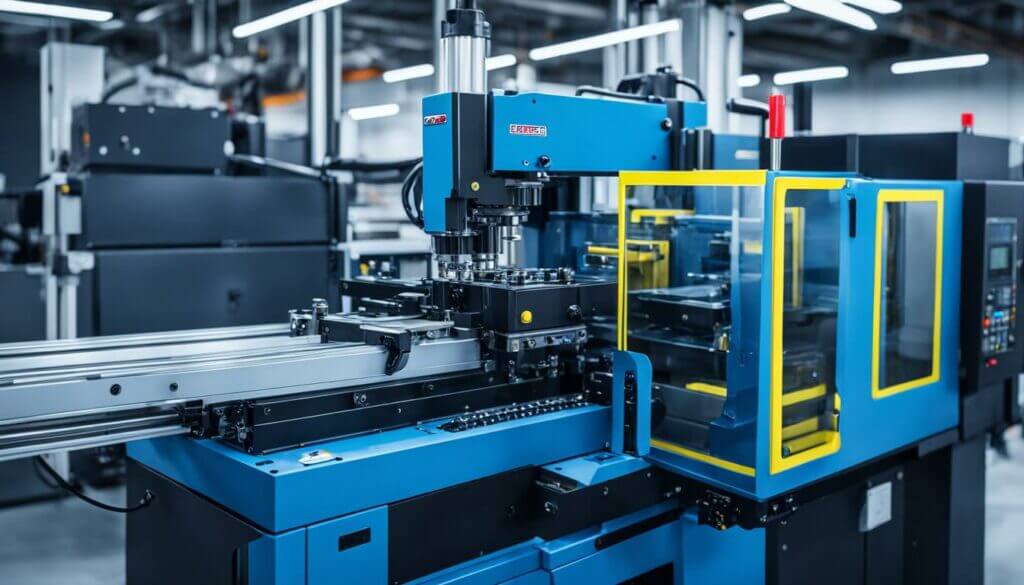
When considering injection molding machine selection, remember to consider these key material adaptability features — they will be essential to achieving efficient production.
Case Study: Successful PVC Micro Injection Molding Projects
In exploring PVC project practice, successful case analysis holds invaluable significance for both technical knowledge transfer and practical application. Today, we will explore a special case that, through micro molding experience sharing, shows you how to convert theoretical knowledge into actual productivity.
In this case, advanced PVC Micro Injection Molding technology was adopted, successfully overcoming a series of manufacturing challenges and improving overall product performance. It not only demonstrated professional knowledge in the micro molding field but also highlighted the critical role of PVC materials in high-precision products.
| Case Feature | Implementation Strategy | Performance Feedback |
|---|---|---|
| Precise mold design | Optimization for PVC material properties | Improved dimensional accuracy and product consistency |
| Material handling innovation | Improved PVC plasticization and flow control | Smooth product surface, enhanced mechanical properties |
| Production efficiency improvement | Shortened cycle times, reduced production costs | Faster market response, increased customer satisfaction |
Industry experts note that no two PVC injection cases are exactly alike — every successful case is rooted in thorough attention to detail and deep understanding of materials. In this case, the rich micro molding experience sharing not only provided actionable guidance but also brought new perspectives and momentum for the entire industry's development.
The Role of Material Cost-Effectiveness in Injection Molding
When considering PVC materials for injection molding, cost-benefit analysis is an indispensable process. You need to evaluate not only the direct cost of materials but also their impact on the production process and the quality performance of the final product. Especially when discussing PVC material economics, this perspective will help you make decisions more favorable to long-term production efficiency.
In this section, we will explore molding production costs in depth and how, through precise calculation and wise choices, you can maximize resource utilization efficiency without sacrificing product quality.
| PVC Material Type | Unit Cost | Lifecycle | Maintenance Cost | Total Cost-Effectiveness |
|---|---|---|---|---|
| Standard Type | Lower | Medium | Low | High |
| Heat-Resistant Type | Medium | Long | Medium | Medium |
| Chemical-Resistant Type | Higher | Long | High | Lower |
As shown in the table above, different types of PVC materials vary in unit cost and lifecycle, which in turn affects maintenance costs and total cost-effectiveness. You must make selections based on your specific needs and budget. For example, although the chemical-resistant PVC type has higher unit costs and maintenance costs, if the product is exposed to potential chemical environments, this grade's high performance may prove very worthwhile.
Overall, choosing the most economical PVC material doesn't always mean choosing the cheapest option. Considering the material's lifespan and performance, as well as potential savings related to product quality and production efficiency, a sustainable, reasonably priced decision will bring richer returns for your enterprise in the long run.
Impact of Environmental Factors on PVC Material Performance
When considering PVC materials for various applications, environmental impact considerations cannot be overlooked. These influencing factors, such as temperature changes, humidity fluctuations, and even chemical corrosion, can all pose challenges to PVC performance stability. Next, we will explore in depth how these environmental factors affect PVC materials and how we can enhance their environmental adaptability through careful product design.
High temperatures may cause PVC to soften, affecting its mechanical properties; low temperatures may make PVC materials become brittle and prone to cracking. Additionally, excessively humid environments may accelerate the decomposition of certain PVC materials, shortening their service life. Therefore, when selecting materials, priority should be given to conditions that resist specific environmental stresses.
Regarding chemical corrosion, PVC materials generally have good chemical resistance, but vigilance is still needed regarding potential impacts in extreme environments. Analyzing PVC's chemical resistance performance and incorporating it into product design considerations from the outset will help prevent future performance degradation.
Quality Control: How to Test PVC Material Performance
When producing PVC products, quality control standards and material performance testing are important stages for ensuring products meet expected requirements. Understanding and implementing standardized PVC inspection procedures is key to ensuring your production efficiency and product quality.
First, performance testing includes evaluating PVC material compressive strength, heat resistance, chemical corrosion resistance, and other aspects. These tests not only require precise instrumentation but also require strict adherence to international or industry quality control standards.
| Test Type | Purpose | Relevant Standard |
|---|---|---|
| Tensile Test | Evaluate material elongation and strength under stress | ISO 527-1 |
| Impact Test | Analyze material's ability to resist sudden impact | ASTM D256 |
| Melt Flow Rate Test | Determine material fluidity at high temperatures | ISO 1133 |
Interpreting these test results not only helps you determine whether materials meet usage standards but can also predict product performance in actual applications. The accuracy of these test results directly affects the reliability of the final product and your business reputation.
Through these testing procedures, when you select PVC material suppliers in the market, you will have greater confidence in confirming whether their products truly meet industry requirements. Additionally, these performance tests can serve as reference points for continuous improvement during the production process.
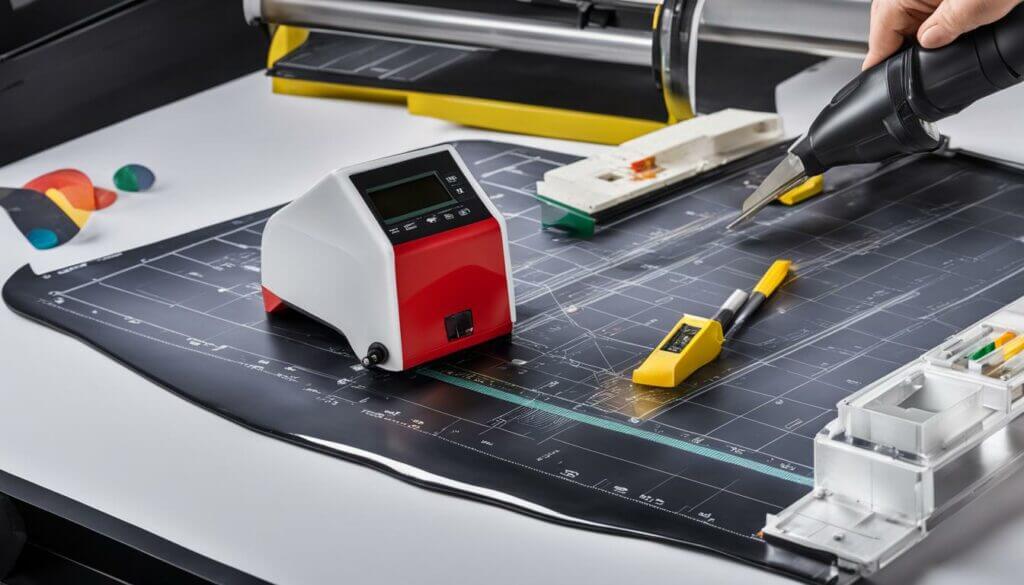
Remember, a rigorous quality control process is not just about a single inspection — it is a long-term and ongoing commitment. From controlling material quality at the source through to final product delivery to customers, every stage requires meticulous monitoring to ensure absolute end-user satisfaction.
Innovation Trends and Material Evolution in PVC Micro Injection Molding
Facing ever-changing market demands, injection molding innovation has become the primary driver of industry progress. With material technology advances, the PVC Micro Injection Molding field is experiencing unprecedented transformation, opening a new chapter in micro molding future trends. This article will explore the driving factors behind this progress and analyze how they are shaping the future of manufacturing.
In the materials field, we have witnessed in-depth research into the inherent properties of PVC materials, achieving stronger heat resistance, improved chemical stability, and excellent mechanical strength. The development of new PVC materials enables products to work under more extreme conditions while improving molding precision and efficiency.
In terms of manufacturing technology, micro injection molding equipment has undergone rapid development, with new-generation machines offering greater flexibility and precision. This not only makes the production process more energy-efficient and environmentally friendly but also significantly reduces raw material waste, thereby improving economic efficiency.
Furthermore, as smart manufacturing and Industry 4.0 concepts become increasingly prevalent, automation and data analysis in the PVC Micro Injection Molding process have been significantly enhanced. This enables manufacturers to more accurately predict material behavior and adjust parameters in real time to ensure final product quality.
Through these innovations, PVC Micro Injection Molding operations continue to be optimized, meeting growing functional requirements and green environmental awareness. As an industry professional, you will undoubtedly find new opportunities in this exciting transformation.
Conclusion
Through the in-depth exploration in this article, you now understand the importance of PVC materials in the micro injection molding process. PVC performance is not only related to product quality but is also key to production efficiency. Looking at future industry development, the injection molding summary reveals an unchanging truth: correctly understanding and selecting materials is of paramount importance.
Looking at the PVC application outlook, as technology advances, we expect to see the emergence of more efficient and precise molding technologies. This will further drive the widespread application of PVC Micro Injection Molding technology in medical, automotive, and even aerospace fields. To maintain industry competitiveness, you should continuously monitor new material development and new equipment investment.
Finally, given the ongoing internal industry changes and diversification of market demands, the direction of molding technology's future presents unlimited possibilities. When performing PVC Micro Injection Molding, you should comprehensively consider cost-effectiveness, material suitability, and the impact of environmental factors, and continuously optimize material performance and molding processes to maintain a firm footing in this forward-looking field.