

In your pursuit of excellence in the manufacturing field, quality management has always played a pivotal role. Especially in the precision craft of PVC micro injection molding, every detail relates to the quality of injection molded products, directly affecting a product's competitiveness in the market. This article will guide you through understanding how rigorous quality control measures can achieve high-quality production goals and ensure your enterprise secures a prominent position in the industry.
From carefully selected raw materials to precision molding machinery, from professional mold design to precise injection parameters — every step is an essential element of quality assurance. The human factor is the key that connects all of these. Therefore, how to balance these factors becomes the decisive challenge in improving quality and meeting customer expectations.
Key Takeaways
- Deeply understand the quality requirements of PVC micro injection molding and its importance in the market
- Learn how to select the most suitable PVC raw materials to ensure finished product stability and quality
- Recognize the impact of injection molding machine precision on product quality
- Study how mold design accuracy enhances overall product quality
- Master injection molding parameter optimization to achieve higher production efficiency and product quality
- Establish quality monitoring systems to continuously track and improve the production process
- Strengthen employee training, enhance quality awareness, and achieve people-centered quality management
Overview of PVC Micro Injection Molding
In today's precision manufacturing field, PVC micro injection technology has become an industry focal point. It possesses the ability to produce miniature yet precise components, widely applied in high-end markets such as medical, electronics, and automotive. PVC micro injection molding is a complex process involving multiple variables and fine operations — a deep understanding of the micro molding process and injection molding principles is essential for achieving high-quality products.
This section will provide a professional perspective on the basic concepts of this technology, including necessary raw material selection, equipment requirements, mold design, and how to adjust process parameters to accommodate different production needs. Additionally, we will discuss the key aspects that require attention when implementing precision-grade quality control.
| Process Stage | Importance | Key Considerations |
|---|---|---|
| Raw Material Preparation | Foundation for ensuring product quality | PVC raw material purity and plasticizing performance |
| Machine Setup | Affects molding precision and efficiency | Control capability of injection pressure, speed, and temperature |
| Mold Design | Determines product appearance and structure | Mold precision, cooling system design |
| Injection Molding | The stage where products are actually formed | Optimization of process parameters and molding cycles |
When it comes to the micro molding process, every step must be precisely controlled to avoid quality issues that could affect the performance of the final product. Understanding every stage from raw materials to injection molding will help promote overall process optimization and achieve the goal of high-quality molding.
The Importance of Quality Management in PVC Injection Molding
In the field of PVC injection molding, product quality directly determines a company's foothold in fierce market competition. An effective quality control system that ensures strict adherence to production standards at every stage — from raw material processing to finished product shipment — is the key to whether products gain market favor.
For PVC injection molded products, given their widespread application in medical, electronics, and high-precision industrial fields, these industries have extremely strict quality and safety regulations. Therefore, the importance of quality control is self-evident. Good quality management not only identifies problems in the production process early, preventing and reducing defects, but also lowers costs and improves production efficiency to a certain extent.
In fact, product quality management is built on a comprehensive quality control system, including but not limited to supply chain management, equipment maintenance, process monitoring, employee training, and final quality inspection. This all-encompassing quality monitoring ensures product quality consistency and stability from raw materials to finished products at every stage, enabling PVC injection molded products to meet or even exceed customer expectations for product quality.
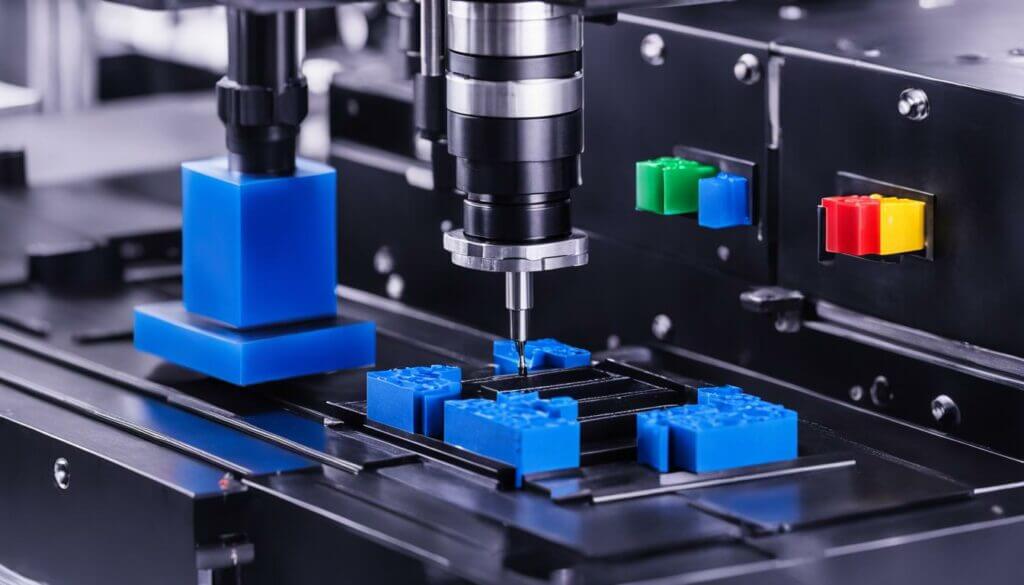
Overall, quality management is an indispensable component of the PVC injection molding industry, directly linked to brand image and even a company's survival. Through rigorous and effective quality management mechanisms, we can ensure every product is as refined as a work of art — only then can we maintain an unassailable position in the ever-changing market.
PVC Material Selection and Quality Assurance
When facing the challenges of PVC micro injection molding, you must prioritize the importance of PVC material selection. Choosing the right PVC material is the prerequisite for producing high-quality PVC products. Premium PVC raw materials must have appropriate melt flow characteristics to meet the demands of precision injection molding, as well as sufficient mechanical strength to maintain product structural stability. All of these need to be confirmed through professional raw material inspection.
The following table details the important physical and chemical properties to focus on when selecting PVC raw materials. You must strictly follow these indicators to ensure finished product consistency and reliability.
| Property | Description | Impact on Molding Process | Impact on Final Product |
|---|---|---|---|
| Melt Flow Index (MFI) | Quantifies material melt flowability | Determines filling speed during injection molding | Affects product surface finish and detail representation |
| Tensile Strength | Measures the material's ability to withstand tension | Affects molding pressure and cooling time | Ensures the product has sufficient structural strength |
| Elastic Modulus | Measures the material's resistance to bending deformation | Determines mold design details and process settings | Maintains product shape and dimensional accuracy |
| Thermal Stability | Reflects material stability after heat exposure | Related to molding temperature range settings | Enhances product high-temperature resistance |
In addition to the above physical and chemical characteristics, you should also require suppliers to provide complete supply chain information to ensure PVC material traceability, enabling you to build a solid quality assurance system.
The Impact of Molding Machine Precision on Quality
In the field of high-precision injection molding, molding machine precision is a critical factor in determining product quality. A precision molding machine not only ensures stability of various parameters during the injection process — such as injection pressure, speed, and temperature — but is also essential for the accurate molding of complex parts. Consistency is the core of injection molding quality control, and molding machine precision is the foundation for achieving this goal.
Facing the market's strict requirements for machine stability, investing in advanced molding machinery is a wise move for enterprises to enhance competitiveness. When machines maintain high precision during prolonged operation, it reduces production fluctuations and errors, thereby lowering defect rates and increasing production efficiency.
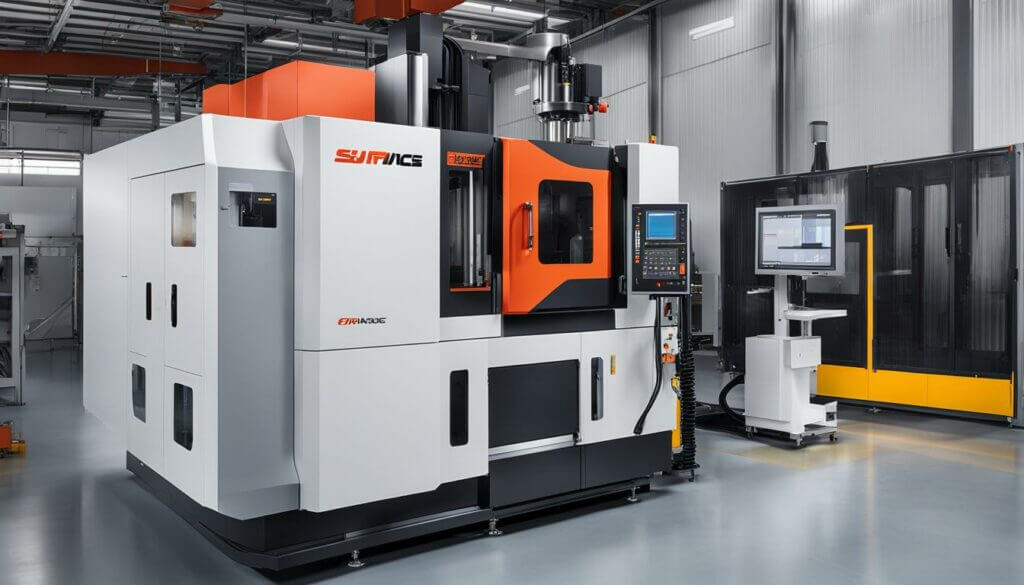
On the other hand, with technological progress, "high-precision injection molding" has become an industry development trend. High-precision molding machines can precisely control dynamic parameters during the molding process, enabling fine-tuning of product details to meet more stringent molding standards. Therefore, selecting high-precision molding machines suited to current market demands is undoubtedly crucial for improving product texture and functional performance.
When selecting a molding machine, please consider the following factors to ensure machine precision:
| Inspection Item | Precision Impact Factors |
|---|---|
| Injection Pressure Control | Pressure control stability directly affects molding quality. |
| Injection Speed Consistency | Precise speed control ensures part dimensions and appearance consistency. |
| Temperature Management System | Uniform temperature distribution is essential for achieving high-quality molding. |
| Mechanical Component Durability | Durable components reduce maintenance costs and ensure long-term operating precision. |
In summary, molding machine precision, machine stability, and high-precision injection molding together form an interdependent system that ensures high-quality output from the molding process. Investing in high-quality molding machinery not only improves individual product quality but also creates greater economic benefits and market competitiveness for the enterprise.
Accuracy of Mold Design and Manufacturing
In the PVC micro injection molding industry, precise mold design and high-quality mold manufacturing are crucial for improving product accuracy and extending mold lifespan. Even a minor design error could cause finished product quality to fall below standards, which is why ensuring ultimate precision from the mold design stage is necessary.
The following table details the key points of high-quality mold design and manufacturing, along with their impact on mold lifespan and production efficiency:
| Mold Design Key Points | Manufacturing Considerations | Impact on Mold Lifespan | Impact on Production Efficiency |
|---|---|---|---|
| Precision Measurement | High-precision machining | Reduced wear, extended service life | Reduced repair time, improved work efficiency |
| Runner System Optimization | Fine polishing techniques | Uniform heat dissipation, reduced thermal stress | Improved molding speed, increased output |
| Material Selection | Strict quality control inspection | Corrosion-resistant materials delay wear | Prevents material breakage, maintains production continuity |
| Structural Strength Analysis | Automated manufacturing technology | Prevents mold fracture | Reduces manual intervention, optimizes cycle time |
Overall, in the mold design and manufacturing process, attention to every detail is essential — including selecting suitable mold materials, adopting advanced processing techniques, and performing regular maintenance and care. These are all key factors in ensuring product quality and efficiency throughout production. Only through rigorous design and manufacturing processes can precise yet durable molds be created, enabling efficient production and maintained market competitiveness.
Strategies for Injection Molding Parameter Optimization
When we discuss molding parameter optimization, you can imagine this as a field involving both precise science and art. To improve injection molding efficiency, process control engineers must carefully study various parameters to ensure the final product achieves outstanding performance and appearance quality. Selecting the right combination of injection pressure, speed, time, and temperature can optimize every stage of the molding process.
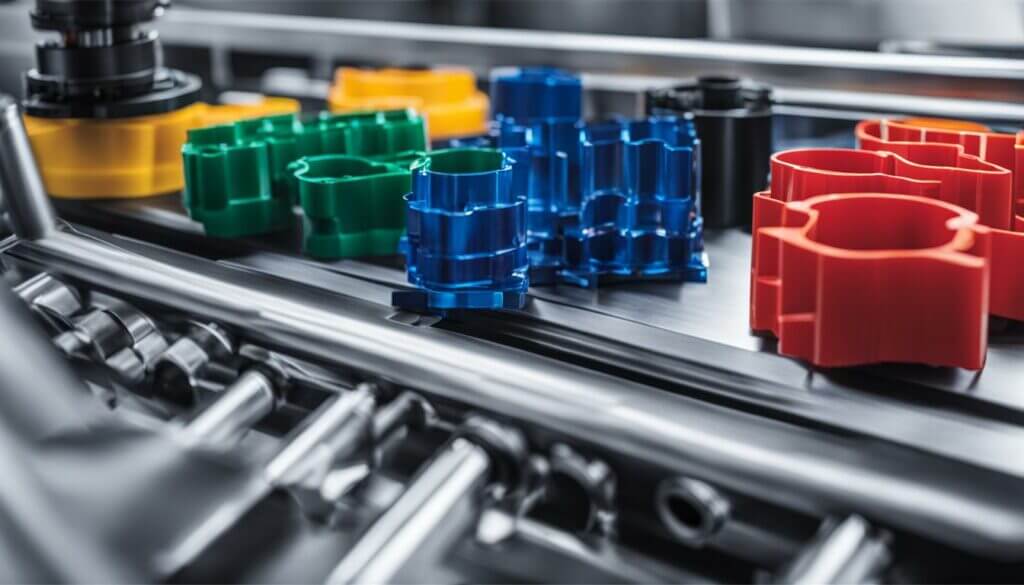
In the manufacturing industry — especially in the highly competitive injection molding field — process control is crucial. Using experimental and professional data analysis methods, engineers can gradually adjust parameters and collect real-time feedback to further refine molding conditions. Iteration during the process is necessary because every subtle improvement can have a significant impact on product quality.
At its core, the goal of optimization strategies is to reduce defects in finished products, such as shrinkage, warpage, or internal stress. These are achieved through high-precision process control measures, highlighting the progress and innovation of injection molding technology in contemporary manufacturing.
Below is an example of optimization process implementation:
| Optimization Item | Optimization Goal | Implementation Measures |
|---|---|---|
| Injection Pressure | Uniform and stable filling | Determine optimal pressure curve through experiments |
| Injection Speed | Improve molding efficiency, reduce air bubbles | Adjust injection speed in stages to prevent material decomposition |
| Mold Temperature | Achieve excellent mechanical properties | Set temperature according to material properties used |
| Cooling Time | Achieve maximum hardness in minimum time | Use sensitive sensors to monitor product cooling progress |
Establishing and Implementing a Quality Monitoring System
In the PVC micro injection molding field, establishing a quality monitoring system is an important step in ensuring quality compliance at every stage. From raw materials to finished products, quality tracking and monitoring at every stage is crucial, guaranteeing that final products meet the industry's high standards. An effective monitoring system needs to include multiple components, such as preventive control plans, which help enterprises detect production deviations promptly and take swift action.
A good quality monitoring system should contain the following core components:
- Regular product inspection procedures to ensure finished products consistently meet quality standards.
- Real-time monitoring equipment to track key quality indicators during the production process.
- Product data analysis tools to facilitate continuous optimization of the production process.
Employee Training and Quality Awareness Development
In the process of **maintaining production quality**, employee **quality awareness** plays an indispensable role. To this end, developing comprehensive **employee training programs** not only improves overall work performance but also serves as the cornerstone for building a company's quality culture.
Through systematic training, employees will learn best practices in quality management and apply this knowledge to daily production activities. Below is an example of how training can improve employee quality awareness:
| Training Module | Objective | Expected Outcome |
|---|---|---|
| Quality Management Fundamentals | Help employees understand the basic concepts and importance of quality management | Employees can identify key quality control points |
| Operating Standards Training | Ensure employees are familiar with operating procedures and strictly follow standards | Reduce operational errors, improve product consistency |
| Continuous Improvement Workshop | Stimulate employee interest and creativity in workflow improvement | Employees actively participate in problem-solving and process improvement |
| Quality Management Tools Application | Teach employees to use quality management tools such as flow charts and checklists | Enable employees to conduct quality control using structured methods |
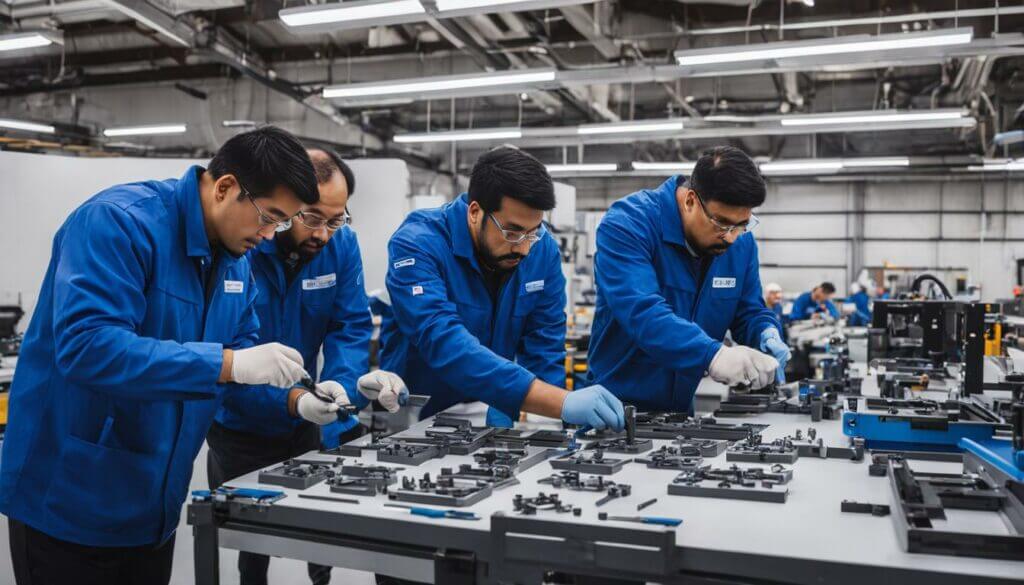
When implementing such employee training programs, enterprises should emphasize the integration of theory and practice, incorporating training into employees' daily work. This way, employees become not only quality guardians but also ambassadors of the quality culture.
Implementing Responsive Quality Improvement
To strengthen quality improvement plan implementation, every enterprise should establish a responsive management system to ensure rapid and effective responses to quality issues. Through continuous improvement, enterprises can maintain a leading position in fierce market competition.
Below is an abstract framework for a quality improvement plan, demonstrating how to practice responsive management through specific steps to achieve continuous improvement:
| Stage | Activity Content | Expected Outcome |
|---|---|---|
| Problem Identification | Detect problem points in the process through quality data tracking and analysis. | Early prevention of quality decline, reducing losses. |
| Root Cause Analysis | Use quality tools such as 5 Why and Fishbone diagrams to identify the root cause. | In-depth problem understanding, providing effective solutions. |
| Solution Planning | Design specific improvement plans and action steps. | Ensure implemented improvement plans are efficient and feasible. |
| Execution and Monitoring | Implement improvement plans and track effectiveness through KPIs and monitoring systems. | Adjust and refine to ensure improvement plans achieve expected results. |
| Standardization | Standardize successful improvement results into new work guidelines. | Solidify improvement results, prevent regression. |
| Cyclical Review | Periodically review improvement effectiveness and adjust based on actual conditions. | Achieve continuous improvement and drive long-term quality culture development. |
Through this series of steps, quality improvement plans become part of the corporate culture — both a strategy and a commitment to customer responsibility. Practicing responsive management and continuous improvement will build a strong fortress for your enterprise on the road to excellence.
Supply Chain Management and Its Impact on Quality
In contemporary manufacturing, supply chain quality control has become a key competitive advantage. As the saying goes, "A chain is only as strong as its weakest link" — from raw material procurement to product delivery to consumers, quality control at every point is crucial. Particularly in supplier management, establishing good communication and close cooperation with suppliers is the primary step in ensuring material quality.
Furthermore, establishing a comprehensive data traceability system not only ensures supply chain transparency but also enables rapid identification of problem sources when quality issues are discovered, allowing for corresponding quality adjustments. Please refer to the following table on how traceability systems strengthen quality control in the supply chain.
| Supply Chain Stage | Quality Control Focus | Traceability System Function |
|---|---|---|
| Raw Material Procurement | Material specification consistency verification | Supplier material batch records |
| In-Transit Logistics | Temperature and humidity monitoring | Real-time logistics tracking |
| Production Manufacturing | Process control and product testing | Manufacturing batch and process data logging |
| Finished Product Shipment | Final quality inspection confirmation | Finished product batch and quality data records |
| After-Sales Service | Customer feedback handling | Product usage tracking and customer feedback collection |
Through these measures, enterprises can build a solid quality assurance system to firmly establish their position in fierce market competition. Remember, every member in the industry chain is a guardian of product quality.
The Role of Customer Feedback in Quality Improvement
In today's business environment, customer feedback plays a critically important role. It is not merely a channel for listening to opinions but a driving force for quality improvement. When enterprises actively seek and value meeting customer needs, customer feedback naturally becomes the key to enhancing products and service standards.
Through an effective feedback system, enterprises can capture potential product issues while gaining insights into market trends and changing customer expectations. Such information helps guide R&D teams in developing products that more precisely meet market demands, making production processes more agile and responsive to market dynamics.
The following table shows several key steps for enterprises to achieve quality improvement through customer feedback:
| Customer Feedback Stage | Action Items | Expected Results |
|---|---|---|
| Collect Feedback | Obtain customer opinions through surveys, interviews, etc. | Understand customer satisfaction and product performance |
| Data Analysis | Conduct detailed analysis of collected data | Identify problems and discover improvement opportunities |
| Implement Improvements | Modify product design or production processes based on analysis results | Improve product quality, enhance customer satisfaction |
| Track Results | Continuously monitor the effectiveness of improvement measures | Ensure the continuous improvement cycle is effective |
Every piece of customer feedback is valuable, helping enterprises more precisely meet customer needs and solidify market position through continuous quality improvement. As the central illustration shows, customer satisfaction is the best proof of business success.
International Quality Standards and Certifications
In today's globalized business environment, ISO quality standards and international certifications have become important indicators for enterprises pursuing excellence. These standards not only provide a comprehensive quality management framework for enterprises but also help them build credibility globally, earning customer trust and support.
Achieving ISO quality standards indicates that an enterprise can consistently provide products and services that meet customer and legal requirements. This standard system helps enterprises effectively monitor and manage quality risks during the production process, reduce potential errors, and ensure continuous improvement is part of the corporate culture.
On the other hand, obtaining international certifications not only proves the enterprise's commitment to and investment in quality assurance but also serves as a passport for entering international markets. These certifications are often linked to customer requirements, becoming key to expanding business opportunities.
Committing to international quality standards and continuous improvement will earn industry respect and consumer loyalty. Therefore, adhering to international quality standards and actively pursuing relevant certifications will bring long-term benefits and sustained business success to your enterprise.
Case Study: Successful Quality Management Examples
Exploring quality management case studies is the best way to understand how to achieve high-standard quality monitoring in the real world. The success stories of today's outstanding enterprises not only inspire but also provide viable quality control strategies, allowing you to extract the essence from practice.
In this section, we will deeply analyze how real companies use innovative quality control strategies to ensure their products meet the highest quality management standards. From their experiences, you will learn specific implementation details to apply in your own business.
Below are case analyses of industry-leading enterprises. Through their stories, you will see how quality management case studies create value in reality:
| Enterprise | Key Success Factors | Quality Control Strategies | Results |
|---|---|---|---|
| Taiwan Semiconductor Manufacturing Company (TSMC) | High-precision production technology | Comprehensive supply chain quality inspection system | World-leading chip production quality |
| Haidilao | Customer service experience | Strict employee training and supervision mechanisms | Widespread brand loyalty and positive reviews |
| MediaTek | Innovative R&D capability | Continuous technological innovation and cost control | Achieved an important position in the high-performance chip market |
| Formosa Plastics Group | Sustainability and environmental awareness | Introduced international quality and environmental management systems | Enhanced corporate social responsibility and market competitiveness |
These cases clearly demonstrate that whether in semiconductors, food service, technology, or traditional manufacturing, comprehensive quality management is an indispensable step toward success. Through precise control measures and strategies, all these enterprises have proven the power of quality management.
Conclusion
Through the in-depth discussion in this article, we understand that **quality management priorities** are crucial to PVC micro injection molding production. Starting with carefully selected raw materials, moving to precision equipment operation, supplemented by employee professional training and quality awareness enhancement — every element is critical to the final product quality. On this foundation, establishing a scientific, systematic quality monitoring system will help drive continuous product quality progress and optimization.
Looking toward the **future of PVC injection molding**, technological innovation and market demand changes will continuously drive the evolution of quality management strategies. To maintain a market position, enterprises must continuously pursue advanced technology and implement more rigorous quality control standards to ensure products can meet or even exceed customer expectations.
Ultimately, the **quality control conclusion** emphasizes that a quality-first business philosophy will guide enterprises to excellence. Through comprehensive and thorough quality management methods, enterprises can not only improve product quality but also strengthen customer trust, winning lasting market success.