

Dear reader, as you explore the wonders of the printing industry, you may be curious as to why silicone materials have become an indispensable part of this field. The material's unique high-temperature resistance, flexibility, non-toxic properties, and chemical stability allow it to shine across various application areas. Whether in product molding, print processing, or surface treatment, silicone materials undoubtedly provide a solution that combines environmental friendliness, aesthetics, and functional requirements.
Key Takeaways
- Silicone material's high-temperature resistance is among its most praised characteristics.
- Its flexibility and non-toxic properties make it suitable for products in contact with food and skin.
- Chemical stability ensures printed products maintain vibrant colors even after long-term use.
- Environmental friendliness and high coverage properties have driven sustained demand for silicone materials in the printed products market.
- The diverse processing techniques for silicone materials provide broad scope for custom printing.
Properties of Silicone Materials
Silicone material, a highly active adsorbent material derived from silicon minerals, is widely used across various industries, particularly where high adsorption performance and thermal stability are required. These outstanding properties of silicone materials make them an indispensable member of the printing industry, while also holding a place in medical, food processing, and other fields.
Silicone materials possess excellent waterproof insulation properties, making them an essential material in electronic products, ensuring products maintain stable operation in humid environments. Also worth mentioning is silicone's light transmittance, which provides new possibilities for the design of LED lighting and display devices, further broadening the application scope of silicone materials.
Regarding temperature variations, silicone materials can withstand a wide temperature range from -40°C to 230°C. Whether in extremely low-temperature environments or high-temperature conditions, silicone performance remains stable and reliable. This is especially valuable for industrial products that need to operate in harsh environments.
Application Prospects of Silicone Products in the Printing Industry
With increasing public awareness of environmental protection and non-toxic products, you have certainly noticed that more and more products are choosing silicone as their primary material. Silicone not only meets environmental and non-toxic requirements but has also become a popular material due to its increasing frequency of use in daily life.
Specifically in the printing industry, the advantages of silicone products are equally prominent. They can not only withstand high temperatures but also endure repeated washing while maintaining product appearance and feel. For materials that need frequent handling or reproduction, this is an important consideration.
To adapt to market demands, silicone products have gradually developed various customization possibilities to better integrate into every corner of the printing industry. If you look carefully, you will find that silicone applications are constantly expanding in commercial advertising, garment printing, and artistic creation.
| Application Area | Silicone Product | Application Advantages |
|---|---|---|
| Commercial Printing | Silicone advertising boards | Durable, vibrant colors |
| Garment Printing | Silicone heat transfer labels | Washable, non-toxic |
| Artistic Creation | Silicone stamps | Customizable, exquisite details |
In the future, as the printing industry's quality and environmental requirements continue to rise, we can foresee silicone products playing an increasingly important role. For example, in packaging design, the sustainability and reusability that silicone brings are increasingly valued by designers and consumers.
Principles and Technology of Silicone Printing
Silicone printing, as an advanced stencil printing technique, is based on the process of silicone ink transfer. This technology involves filling silicone ink into a professionally designed stencil, then using a squeegee to transfer the ink through the stencil mesh accurately onto the desired substrate surface.
Because silicone ink possesses excellent chemical resistance, superior weather resistance, and strong adhesion, silicone screen printing plays an important role in the printing world, particularly in industries requiring durable markings. However, this technique is limited by its printable range and is therefore not well suited for concave or irregularly shaped surfaces.
When exploring the core benefits of silicone printing, a comparative analysis with traditional printing methods can highlight its advantages and applicable scope.
| Silicone Printing | Traditional Stencil Printing |
|---|---|
| Excellent chemical and weather resistance | May change with time and environmental factors |
| Durable and strong adhesion | Adhesion may be weaker |
| Not suitable for printing on concave or complex shapes | More adaptable, can print on diverse surfaces |
| Suitable for applications requiring high-temperature and wear resistance | Limited wear and high-temperature resistance |
Overview of Silicone Pad Printing Technology
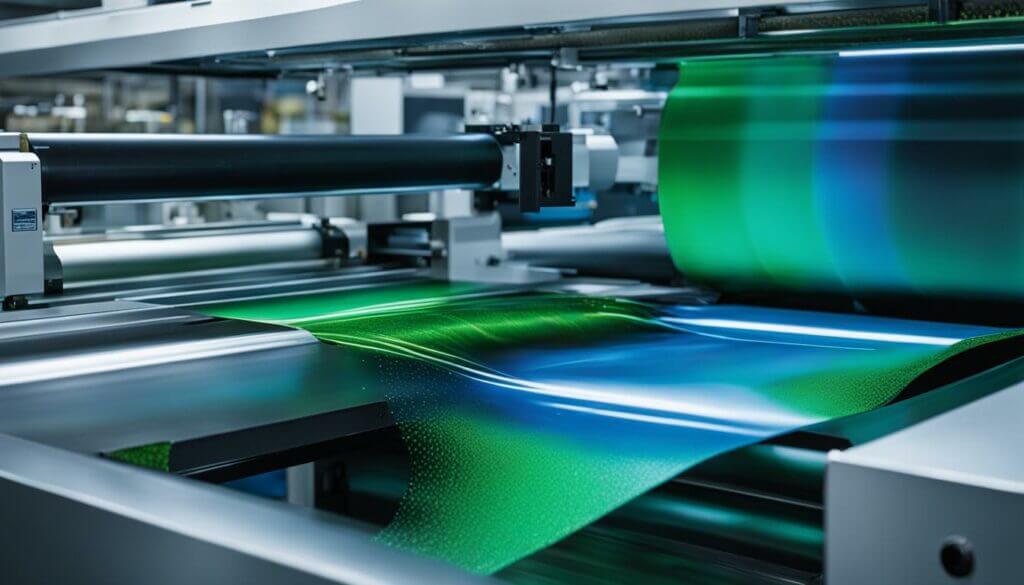
You may know that traditional screen printing cannot meet the printing needs of irregular or non-flat surfaces. This is where silicone pad printing emerges as the ideal solution. This technique is applicable to various materials including plastic, metal, and ceramics, making it a highly versatile printing method.
Using specially made silicone pad heads, silicone pad printing can precisely transfer patterns to target surfaces. These pad heads have a certain degree of softness and elasticity, allowing them to perfectly conform to irregular surface printing while achieving high-precision imaging. Another characteristic of silicone pad printing is the thicker ink layer, which gives patterns a distinctive three-dimensional quality.
However, the thicker ink layer also means more precise precision control is needed during the transfer process. This includes everything from initial pattern design to pad head creation to the final transfer process — each step requires careful adjustment to achieve optimal results.
| Silicone Pad Printing Advantages | Silicone Pad Printing Challenges |
|---|---|
| Applicable to multiple materials | High pattern positioning requirements |
| Precise pattern transfer | Ink layer thickness control |
| Can print on irregular surfaces | Frequent pad head wear and replacement |
| Strong three-dimensional printing effect | Cost and time efficiency considerations |
Overall, silicone pad printing technology provides a feasible solution for challenging printing projects. As long as proper precision control methods are mastered, high-quality and visually impactful printed works can be effectively created on various products.
Application of Laser Engraving on Silicone Materials
When you are looking for silicone products that are both practical and visually appealing, laser engraving technology becomes an indispensable process. Through professional laser engraving equipment, you can carve detailed patterns, text, and symbols on silicone materials, and leverage light transmission effects in various scenarios, especially when combined with LED lights to create unique LED visual effects.
The beauty of this technology lies in its ability to perform localized deep etching on silicone surfaces and precisely control transparent and opaque areas, creating nighttime identification function panels that meet your needs. Below is an application example table showing the effects of laser engraving technology on different silicone products:
| Product Type | Laser Engraving Details | Light Transmission Treatment | LED Effect |
|---|---|---|---|
| Control Panel | Precise icon etching | Uniform transparency | High visibility |
| Decorative Accessories | Artistic text engraving | Partial transparency | Unique visual effect |
| Safety Signs | Instructional text carving | High light transmission contrast | Clear warning indication |
| UI Interface | Interactive button design | Variable light transmission | Intuitive operational experience |
The application range of laser engraving technology is very broad, including industrial equipment, consumer electronics, and home decoration. Considering how to combine laser engraving with LED lighting during the design process can greatly enhance the value of your product. Therefore, if you are developing a new silicone product, do not overlook the tremendous potential that laser engraving technology brings.

Spray Coating Process for Silicone Materials
In the manufacturing process of silicone materials, spray coating is an indispensable surface treatment technique. Whether you want to improve product durability or pursue aesthetic excellence, the spray coating process can change the product's surface color and light transmission effect according to your needs, adding functionality and visual appeal.
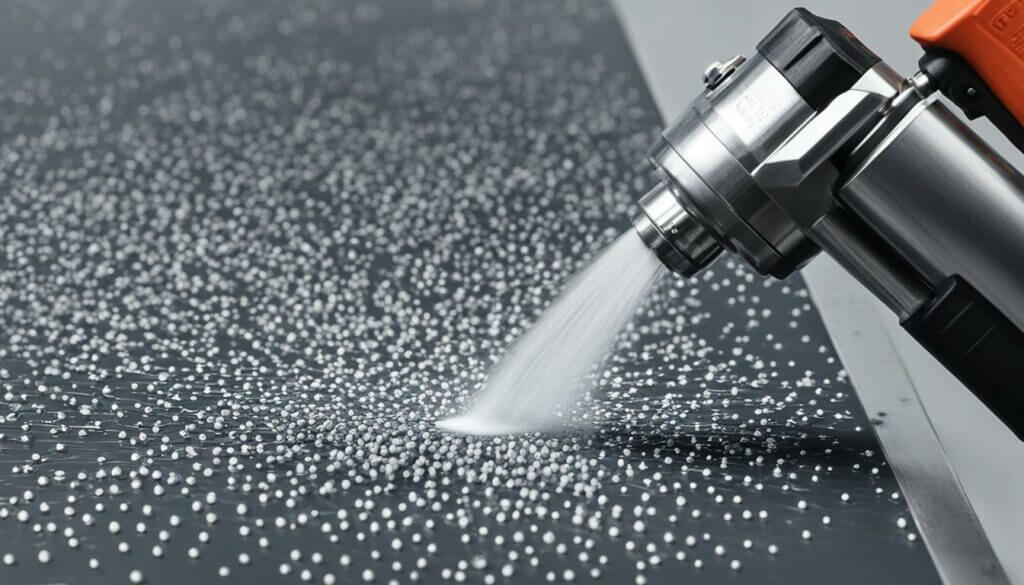
Using professional spray guns or atomizers for coating ensures uniformity. This process focuses not only on color adhesion and balanced distribution but also emphasizes detail processing and subsequent drying and curing steps to prevent product peeling or color inconsistency.
Currently, common spray coating techniques on the market include:
| Spray Coating Technique | Features | Application Range |
|---|---|---|
| Colored Coating | Provides products with vibrant, long-lasting colors | Toy products, decorative accessories |
| Soft-Touch Coating | Enhances product tactile feel and hand feel | Phone cases, household items |
| PU Coating | Improves wear resistance and chemical solvent resistance | Sports equipment, automotive interiors |
While performing surface treatment, attention must also be paid to environmental protection and product safety. Appropriate spray coating techniques can make silicone material colors more vivid and textures better, without burdening the environment. Therefore, choosing spray coating materials and techniques that meet environmental standards is a responsible decision for your products.
From personalized phone case customization to high-end automotive interior decoration, the spray coating process plays a key role. Silicone spray coating not only aids in product color transformation but also endows products with more possibilities, allowing your design inspiration to be perfectly realized.
Precision Printing and Color Presentation
On your journey exploring precision printing of silicone products, you will discover that color presentation is crucial to the appeal of the final product. In traditional printing processes, multi-color printing methods and baking techniques make colors more vibrant and durable. Understanding the precision of each step in these processes adds value to your products.
When discussing the advantages of multi-color printing, we must mention its faithful color reproduction. Each color layer is individually printed and carefully baked, ensuring colors are firmly and durably bonded to the silicone surface. This attention to detail multiplies the market performance of the product, demonstrating our relentless pursuit of quality.
Regarding baking technology, it ensures that each color can withstand the test of time, remaining unfaded and unaffected by external conditions. The technology brings not only color longevity but also adds texture to the product.
Importance of Silicone Material Surface Treatment Technology
As competition in product quality becomes increasingly fierce, surface treatment has become an indispensable part of ensuring silicone product quality. Proper surface treatment can enhance product aesthetics, extend service life, and increase market competitiveness. Additionally, quality control plays a decisive role in post-production processes, directly affecting the stability and safety of silicone products.
Professional silicone product post-production processes require the following procedures:
| Process | Function | Impact on Quality |
|---|---|---|
| Surface Cleaning | Removes surface impurities and mold release agents | Improves product cleanliness and adhesion |
| Sanding/Sandblasting | Increases product surface roughness and aesthetics | Strengthens ink adhesion and wear resistance |
| Painting/Spray Coating | Changes color or adds special effects | Enriches product appearance and improves protective layer quality |
| Screen Printing/Pad Printing | Prints patterns or text | Improves product recognition and added value |
| Baking/Curing | Ink curing and strengthening | Ensures printed pattern durability |
| Inspection | Product quality control | Ensures products meet quality standards |
As you can see, every step of silicone product post-production cannot be overlooked. From selecting the right cleaning agent to precise printing techniques, every detail determines the quality of the final product. To pursue excellent product quality, you need to find a professional, reliable partner with a comprehensive quality inspection system.
Continuous Production and Processing Efficiency of Silicone Materials
In today's highly competitive manufacturing industry, continuous production not only improves processing efficiency but is also the cornerstone of maintaining market competitiveness. When it comes to silicone material production, automated molding technology — particularly precision injection — has become a major breakthrough in the industry.
Through automated production lines and professional liquid silicone injection equipment, not only can every product be guaranteed to meet the highest quality standards, but every step from initial raw material mixing to finished product shipment can be precisely controlled — something that manual or semi-automatic machines simply cannot match.
In the continuous production process, whether it is pre-stage material preparation or post-stage molding, robotic arms designed for the purpose can handle it all. This automation not only reduces the probability of human operational errors but also saves time and resources. Your production line will no longer stall due to human factors, ensuring product quality while maintaining efficient production tempo.
Appearance Design and Creative Applications of Silicone Products
As creative design trends continue to surge, the appearance and functionality of silicone products are receiving increasing attention. To break through traditional frameworks, custom development has become a mainstream trend. Your silicone products — whether earphone covers, wristbands, or kitchen utensils — can showcase unique aesthetics and premium feel through various surface treatment techniques such as precision laser engraving or uniform spray coating.
Among these, the design of backlit buttons is undoubtedly a major breakthrough for nighttime product operation. Whether in automotive interiors, remote controls, or other smart home devices, backlit buttons enhance the user experience with their excellent light transmission and refined appearance design. The table below shows various creative applications and custom development of silicone buttons currently on the market.
| Product Type | Functional Description | Creative Design Elements | Lifestyle Application |
|---|---|---|---|
| Smart Wristband | Waterproof with health data tracking | Personalized pattern laser engraving | Daily wear to enhance style |
| Gaming Controller | Provides precise control feel | Backlit translucent buttons | Night gaming without light limitations |
| Kitchen Appliances | Heat-resistant, easy to clean | Colorful food-grade spray coating | Cooking with more color and fun |
If you are seeking to create silicone products with personal character, now is the best time to explore creative design and application possibilities. Whether through laser engraving for unique patterns or selecting various colored spray coating materials, custom development can make your products stand out and claim a place in the market.
Impact of Molding Technology on Print Quality
In the manufacturing of silicone materials, choosing the right molding technology is crucial for improving the print quality of the final product. From solid heat compression molding to liquid injection molding to extrusion molding, each technology has its unique advantages and applicable conditions. Understanding how these technologies affect printing results can help you make wiser decisions.
| Molding Technology | Features | Applicable Products | Impact on Print Quality |
|---|---|---|---|
| Solid Heat Compression Molding | Simple operation, lower cost | Single or multi-color, single-hardness products | Good, suitable for large-area single-color printing |
| Liquid Injection Molding | High precision, multi-color molding | Stable multi-color products | Excellent, ensures color accuracy |
| Extrusion Molding | Continuous production, high efficiency | Tubular, strip materials | Moderate, but limited to strip areas |
When choosing solid heat compression molding, because mold filling and cooling speed are fast during the forming process, it can effectively control silicone material dimensions, which is crucial for single-color or simple pattern printing. However, liquid injection molding provides higher precision and reproducibility, making it the ideal choice for multi-color printing and complex patterns. Meanwhile, extrusion molding can accommodate continuous long-strip product production, but print quality needs to be adjusted based on specific product shape and requirements.
Which technology might your product need? Considering product requirements alongside the advantages of each molding technology can bring the greatest improvement to your silicone print quality.
Silicone Industry Standards and Environmental Regulations
After understanding the multiple advantages of silicone materials, it is important to note that the use of these materials must comply with certain industry standards and environmental regulations. Product quality and safety standards become increasingly important as product applications expand.
Taking ISO certification as an example, this represents not only that a company's management system has achieved international-level professional recognition but is also a responsible commitment to consumers and the industry. From ISO 9001 quality management systems to ISO 14001 environmental management systems, implementing these standards is crucial to enhancing the competitiveness of silicone products in the market.
Furthermore, the importance of food safety goes without saying. When silicone materials are widely used in food-grade products, strict food-grade regulations become particularly critical. These regulations ensure that every step from raw material selection, process control, to final product shipment safeguards consumer health and environmental sustainability.
The following table introduces the main standards and regulations that silicone materials must comply with across different fields.
| Application Area | Industry Standards | Environmental Regulations | Safety Certifications |
|---|---|---|---|
| Food-Grade Products | ISO 22000 | EU Food Contact Material Regulations | US FDA Certification |
| Medical-Grade Products | ISO 13485 | REACH Regulation | CE Marking |
| Industrial Use | ISO 9001 | ISO 14001 | SGS Certification |
Whether through improving production processes or enhancing product safety standards, obtaining the appropriate certifications is not only a company's pursuit of quality but also a demonstration of responsibility toward the living environment.
Conclusion
With technological advancement, the continuous innovation of silicone processing technology, and the diversified applications of silicone materials in the printing industry have demonstrated their limitless potential. You have learned that silicone materials can provide high-temperature resistance, flexibility, and excellent chemical stability. These silicone properties combined with precision printing and spray coating techniques have greatly expanded their application scope in the market, meeting a wide variety of customer needs.
Silicone materials shine not only in industrial fields — their environmental friendliness and non-toxic properties also make them an indispensable part of daily life. From medical equipment to kitchen utensils, the use of silicone brings consumers a more reassuring and healthier quality of life. Therefore, for those engaged in the silicone processing industry, the development of silicone materials in future markets will be even more extensive.
Combining the various innovative technologies introduced in this article, whether it is the detail presentation of silicone in surface treatment or the precision of molding technology, all confirm that silicone materials are a key element indispensable to the printing industry and many other market applications. Looking to the future, we look forward to you joining hands with innovation to fully unleash the potential of silicone materials.